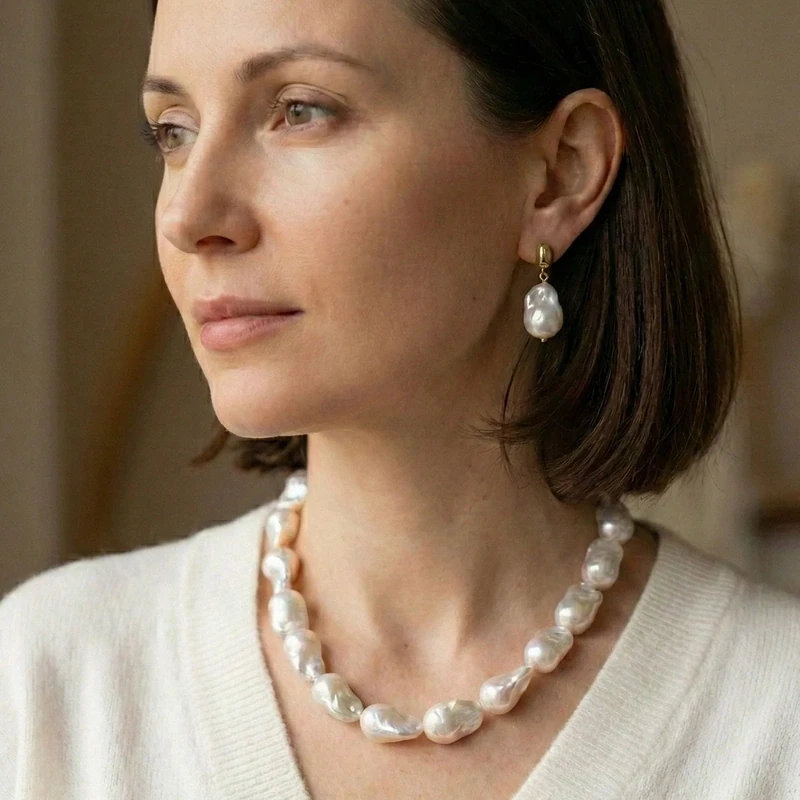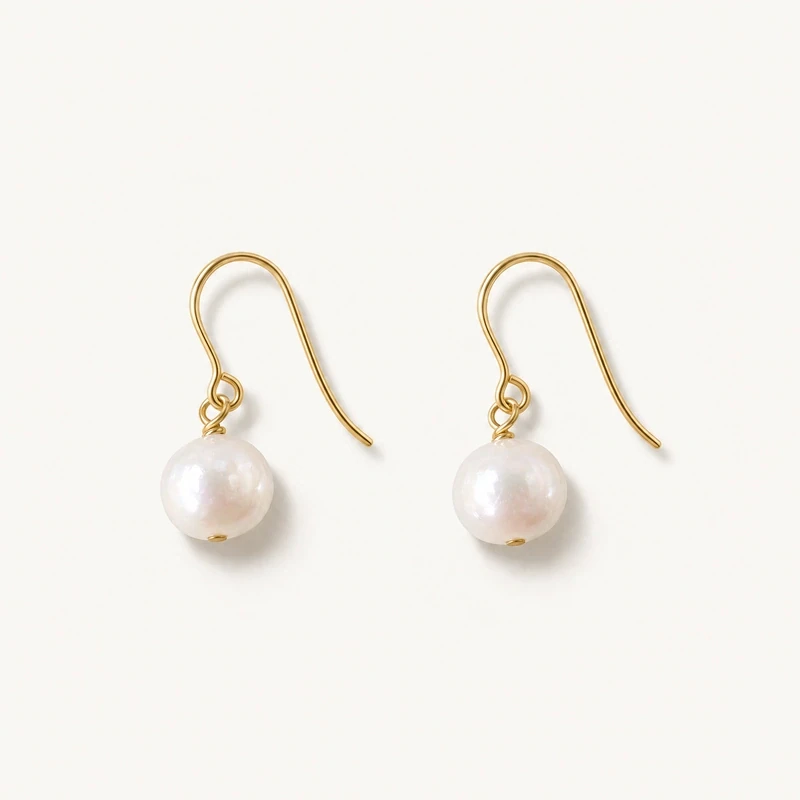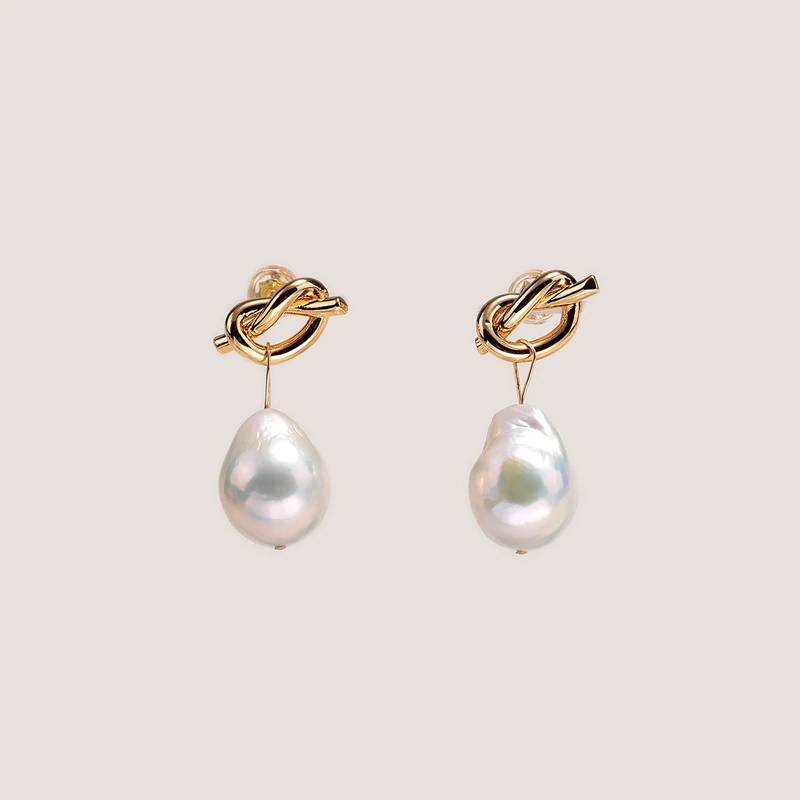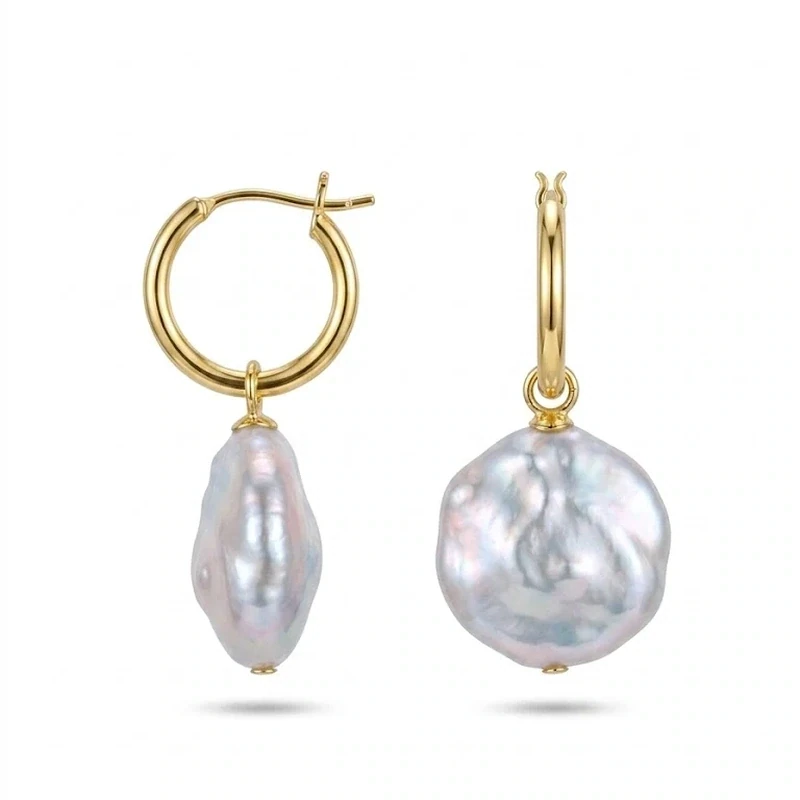
Pearl jewelry with gold-colored components brings together materials that do not all respond to care in the same way. Pearls are relatively soft, while a gold finish may be a layer over another metal rather than solid gold. A routine that is gentle enough for pearls and restrained around the finish is a sensible default: handle pieces carefully, wipe them after wearing, and store them separately so they are less likely to rub against other jewelry.
It also helps to identify what the product description actually says before choosing how to care for it. Gold-filled, vermeil, and gold-plated describe distinct constructions, and none should be treated as interchangeable. The product-specific examples below illustrate why the wording matters, but they do not establish how every piece is made. When a detail is not listed, avoid assuming it. A cautious approach protects what can be protected without promising that any coating will last indefinitely.
Start with the listed metal, not its color
Gold-colored jewelry can have different underlying materials. Gold-filled, gold-plated, and vermeil are separate terms; vermeil has a sterling silver base. Sterling silver marked 925 is 92.5 percent silver. These descriptions are not synonyms for solid gold, and the visible color alone cannot tell you which construction a piece uses. Read the product’s material description and selected option rather than relying on appearance or a general care label.
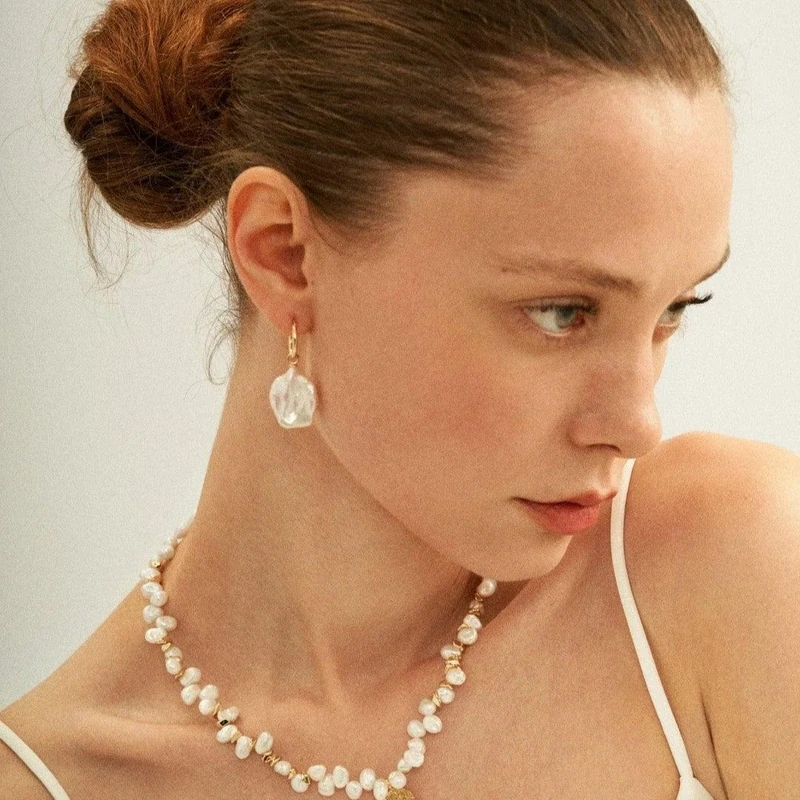
For example, the Petal Baroque Pearl Hoop Earrings are described as baroque pearls with 925 sterling silver plated with 18K recycled gold. That listing identifies silver with a plated finish, not solid gold or vermeil. The Ada Baroque Pearl Hoops have a different choice: the selected Colour/Metal option is either 14k gold-filled metal or sterling silver. Keep those options distinct when making a care decision; do not assume one description applies to both.
Give pearls the gentlest part of the routine
Pearls are soft, so avoid treating them like hard gemstones or metal components. After wearing, use a soft, clean cloth to gently wipe away surface residue. Use light pressure and avoid scrubbing, buffing, or rubbing a pearl against a metal edge. The aim is to remove what is on the surface, not to polish the pearl. A clean cloth used only for jewelry helps reduce the chance of transferring grit that could scratch a delicate surface.
Do not use ultrasonic or steam cleaners on pearl jewelry. Avoid acids, chemicals, perfume, and excessive heat, all of which can be unsuitable for pearls. If a piece needs more than a gentle wipe, choose a conservative method and consider the whole item: a pearl attached to a metal component is mixed-material jewelry. The GIA’s pearl care guidance also recommends wiping pearls after wear and emphasizes gentle handling. If you are unsure whether a cleaning method is appropriate for a particular construction, do not experiment with a strong cleaner.
Understand what gentle cleaning can and cannot do
For occasional cleaning, warm soapy water may be suitable for pearls, but it is not a reason to soak every mixed-material piece. Avoid harsh detergents, abrasive pastes, polishing compounds, and chemical dips. These can be inappropriate for pearls and may affect a gold finish. If you choose a damp cleaning method, keep it brief and gentle, then dry the piece carefully with a soft cloth. Do not use heat to speed the process.
Pay particular attention to pieces with components joined together, or with surfaces you cannot easily reach without rubbing the pearls. A long soak may expose more of the jewelry to water and soap than a targeted wipe would. Strung pearl jewelry should dry completely before it is put away. If the construction is not clear or the piece remains damp in a hard-to-reach area, wait until it is fully dry rather than sealing it in a jewelry box. Simple surface care is preferable to aggressive attempts to make an older finish look new.
Reduce friction before it becomes visible wear
Friction is an avoidable source of contact between pearls, metal, and other objects. Put pearl jewelry on after dressing, and take it off before changing clothes or doing tasks where it could scrape against a hard surface. When removing earrings, hold the metal component rather than pulling or twisting against the pearl. Handle pieces over a clear, soft surface when practical, so a slip is less likely to lead to repeated contact with a countertop or floor.
Store each piece separately rather than letting pearls touch chains, clasps, or other jewelry. A soft pouch or divided compartment can help limit rubbing, provided the jewelry is clean and dry before it is stored. Do not pile pieces together or leave them loose in a drawer or bag. These habits cannot prevent all wear, but they reduce unnecessary abrasion. For more detail on keeping pieces apart between wears, see the jewelry care collection and the related guidance on storing pearl jewelry.
Keep gold finishes away from abrasive polishing
A plated or vermeil finish is not the same as a solid-gold surface. Abrasive polishing can be especially unwise when a piece has a coating: it may rub the surface rather than simply remove a mark. Avoid polishing cloths or compounds unless their suitability for that particular piece is established. Do not use a metal cleaner on the pearl in an attempt to clean the entire earring at once. When in doubt, gently wipe accessible metal with a soft, clean cloth and leave stubborn marks alone.
The FTC’s guide to gold and silver jewelry explains the distinction among solid gold, gold-filled, gold-plated, and vermeil. Those distinctions matter for care as well as description, but they do not justify assumptions about a product’s coating thickness or expected wear life. A careful routine can reduce avoidable friction and abrasion; it cannot guarantee that a finish will remain unchanged for a lifetime. Avoiding that promise is more useful than treating every gold-colored surface as equally durable.
Use product details to choose a cautious approach
Compare the exact material wording before applying a routine. The Ada hoops list freshwater baroque pearls and offer gold-filled metal or sterling silver depending on the selected option. The Capri Cascading Pearl Earrings list freshwater pearls and 18K gold vermeil. Those descriptions are not interchangeable, even though both designs pair pearls with gold-colored metal. The Capri listing also gives a length of 5.3 cm, which is a practical reason to take care when handling the cascading design so it does not catch or rub unnecessarily.
Follow the least aggressive care that fits the materials actually listed. Do not infer that a named metal applies to an unlisted fitting or component, and do not assume an item is waterproof, tarnish-free, or suitable for a particular cleaner. Product descriptions may identify materials without answering every cleaning question. When a construction detail is unclear, a gentle dry wipe and separate storage are safer starting points than polishing, soaking, or applying a specialized product.
Build an easy routine around wearing and storage
Make care a short sequence. Put pearls on after perfume and other personal-care products have been applied and allowed to settle; take jewelry off before washing or using cleaning products. After wearing, inspect the piece briefly, then wipe it with a soft clean cloth. If you notice a mark, do not scrape at it with a fingernail or use an abrasive. Choose only a gentle method appropriate to the listed materials, and let the jewelry dry completely before storing it.
At the end of the day, keep pearl pieces separate from other jewelry and away from unnecessary heat or chemical exposure. Check that chains or linked details are not pressed against pearl surfaces in storage. If an item has a finish that concerns you, stop before attempting a polish or chemical treatment; a more forceful clean may create more risk than leaving a small mark untouched. A measured routine—gentle wiping, minimal friction, and dry, separate storage—is a practical way to care for both the pearls and their gold-finish components.