Pearl jewelry can fit naturally into an everyday wardrobe, but everyday wear is not the same as unrestricted exposure. Perfume, showers, swimming, exercise, and household cleaning all call for a pause before putting pearls on. The useful question is not whether a piece can survive one splash; it is whether the activity introduces chemicals, heat, or unnecessary wetting that conservative pearl care tells you to avoid.
A practical routine considers the whole piece: the pearl, its metal components, and any stringing. Gold-filled metal does not make a pearl waterproof, and gold plating over sterling silver does not remove the need for careful handling. Establishing a few clear removal points is more useful than relying on an unsupported durability claim. The following boundaries also provide a measured response when exposure happens accidentally, without promising that cleaning will reverse every change.
1. Treat Pearls as Delicate, Not Waterproof
According to GIA’s pearl care guidance, pearls are soft, measuring 2.5 on the Mohs scale, and should be kept away from acids, chemicals, perfume, and excessive heat. That advice supports a conservative wearing routine rather than a waterproof label. A pearl’s appearance, size, or shape is not evidence that it can tolerate showers or cleaning products.
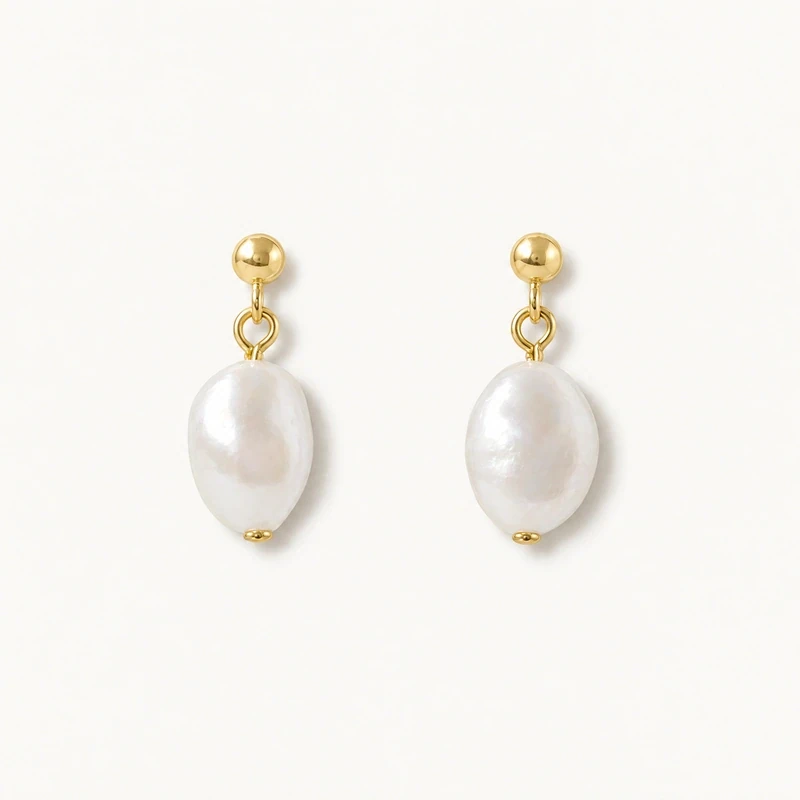
The KATRINA Teardrop Pearl Earrings, for example, combine cultured freshwater pearls measuring 13–15 mm with 14k gold-filled metal. Cultured pearls are real pearls, but their formation involves human intervention; that origin does not exempt them from pearl-care precautions. Choose them for the teardrop design, then remove them for activities involving water or chemicals. Apply the same boundary to smaller pearls rather than assuming that a less prominent piece needs less care.
2. Finish Perfume and Cosmetics Before Dressing in Pearls
Make pearl jewelry the final part of getting dressed, after applying perfume and cosmetics. Do not spray fragrance toward a necklace or earrings, and avoid putting jewelry on while the area it will touch is still wet with a product. This sequence is a practical way to reduce direct contact; it is not a guarantee that every cosmetic ingredient will be harmless once dry.
Touch-ups deserve the same attention as the morning routine. Before adding perfume, applying a spray near your hair, or using products around your neck and ears, take the pearls off and set them away from the application area. Do not use a necklace as a marker for where to spray fragrance. If your routine regularly involves midday touch-ups, decide on a clean place to set the jewelry first, so removal becomes a simple habit rather than an inconvenient interruption.

3. Remove Jewelry Before Showers and Swimming
Use the bathroom doorway as a removal point: take off pearl earrings and necklaces before showering, rather than waiting until you are already beside running water. A shower combines wetting with soaps and other products, while hot water introduces heat. There is no need to test whether a particular pearl-and-metal combination tolerates that exposure when removing it is straightforward.
The same rule applies before swimming. A pool or other swimming setting is not an appropriate trial of pearl durability, and a metal description does not supply a water-resistance rating. Leave the jewelry somewhere clean and dry before entering the water. If you are deciding what to wear for a day that includes swimming, plan to put pearls on afterward instead of wearing them through every activity. One clear transition is easier to follow than repeated guesses about acceptable exposure.
4. Separate Exercise and Cleaning From Pearl Wear
For exercise, remove pearl jewelry before the activity begins. This is a conservative way to avoid unnecessary contact with perspiration, repeated handling, and any products used during the session. It also keeps your care routine independent of how intense the workout becomes. A short activity can turn into a longer one, so a fixed removal rule is more reliable than judging exposure afterward.
Household cleaning needs an equally clear boundary because GIA advises avoiding chemicals and acids. Take pearls off before handling cleaners, rather than assuming that careful spraying or covered clothing will prevent contact. Place jewelry away from the cleaning area, not on the surface you are about to wipe. When exercise or cleaning is finished, complete washing and product application before putting the piece back on. These are preventive steps, not promises of allergy safety or guaranteed comfort.
5. Read the Pearl and Metal Descriptions Separately
Materials describe what a piece contains, not everything it can withstand. The Lucy Pearl Drop Huggie Hoops pair baroque freshwater pearls with 14k gold-filled metal. Baroque refers to irregular shape, not a separate species or proof of uncultured origin. Neither that shape descriptor nor the gold-filled component establishes waterproofness. Keep the care decision separate from the style decision.
The Pink Baroque Pearl Pendant Necklace lists a baroque pearl and freshwater pearls with S925 sterling silver plated with 18K gold. Sterling silver 925 means 92.5 percent silver. Gold-plated, gold-filled, solid gold, and vermeil are distinct descriptions; vermeil has a sterling silver base, but a silver base alone is not a reason to relabel this necklace. Follow its stated plated description without inventing coating thickness, wear duration, or resistance to water and chemicals.
6. Respond to Accidental Exposure Without Scrubbing
If pearls receive an accidental splash, stop the exposure and remove the jewelry with clean hands. For a small water splash, gently wipe away surface moisture with a soft, clean cloth. If perfume or another product lands on the piece, avoid rubbing aggressively or adding a household cleaner to counteract it. Note what touched the jewelry, since plain water and an unidentified cleaning product are not the same situation.
GIA allows occasional warm soapy water cleaning, but that is not a blanket rescue method for every mixed-material piece or chemical exposure. Keep any response conservative, and seek piece-specific advice when residue remains or the surface looks changed. Do not promise yourself that a visible mark will disappear after drying. If the jewelry is strung, it must dry completely before being worn again. Avoid steam, ultrasonic cleaners, and excessive heat; trying to accelerate recovery can introduce another unsuitable treatment.
7. Keep Routine Cleaning Gentle and Limited
After ordinary wear, wipe pearls with a soft, clean cloth, following GIA’s guidance. Make this a gentle finishing step, not an opportunity to polish forcefully or experiment with metal-cleaning products. For a mixed-material piece, a cleaner chosen only for the metal may disregard the pearl-care boundary. The most conservative approach considers every component instead of treating the necklace or earrings as metal jewelry with an incidental decoration.
Occasional warm soapy water cleaning remains different from repeated immersion during showers or swimming. It should not be used to justify wearing pearls through those activities. Where stringing is present, allow complete drying afterward, and do not assume an unknown construction will suit a particular cleaning technique. Keep the jewelry care guidance handy when planning maintenance, especially if a piece has several materials. A modest cleaning routine is preferable to repeated attempts to restore a finish with stronger products.
8. Build a Removal Routine You Can Actually Follow
Choose three reliable checkpoints: before cosmetics and perfume, before water activities or exercise, and before household cleaning. These cover the main everyday situations without requiring constant judgment about individual droplets or product formulas. Place a clean, dry resting spot where you normally get dressed, and keep it away from areas being sprayed or washed. The aim is to make taking pearls off as automatic as putting them on.
For your next wear, finish personal-care products first, put on the jewelry afterward, and identify any activity that will require removal. When you take it off at the end of the day, wipe it gently and check for unexpected residue or changes. If an accident occurs, stop exposure, use a restrained response, and avoid promises of complete recovery. This simple plan lets you enjoy the design while respecting the limits of both pearls and their accompanying metal components.