Pearl jewelry can travel well when you treat it as a small, delicate part of your packing rather than tossing it into a general accessories pouch. The useful priorities are straightforward: choose only the pieces you expect to wear, keep each item apart from hard objects and other jewelry, and put pearls on after cosmetics and fragrance. A little preparation before leaving makes it easier to keep track of what you packed and notice a problem when you return.
Pearls are relatively soft, and their surfaces can be affected by chemicals and excessive heat. Travel adds extra handling, changes of location, and the temptation to leave jewelry in a hot car or beside toiletries. This guide offers a practical routine for selecting, packing, wearing, and checking pearl pieces. It does not assume that any particular pouch or travel case can prevent loss or damage; careful handling remains important throughout the trip.
Choose a small, useful travel rotation
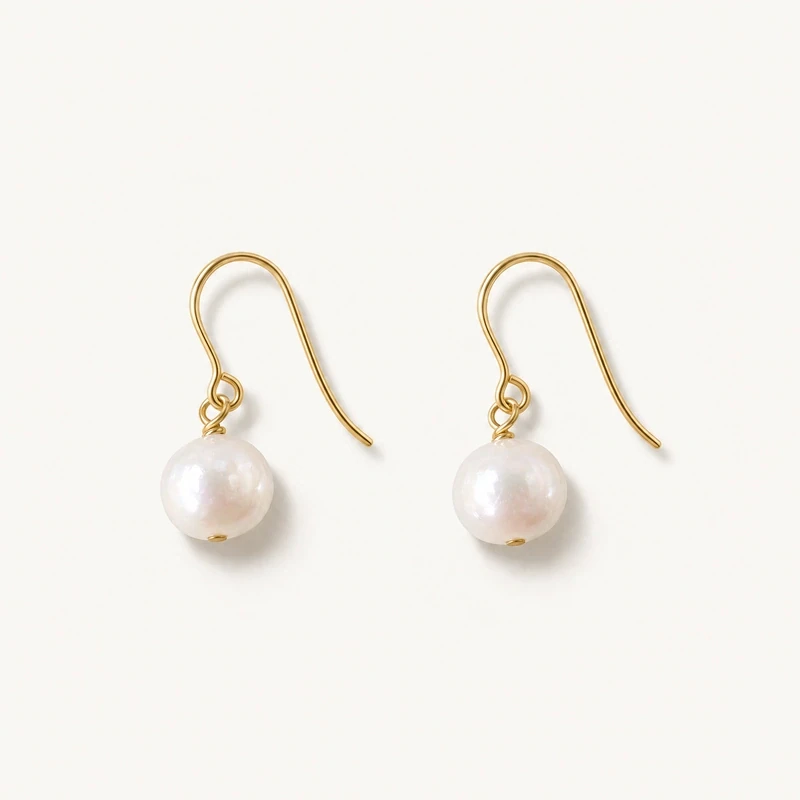
Start with your itinerary and outfits, then select a few pieces that can work across more than one occasion. A simple pair of drops, one bracelet, or a necklace may be enough; there is no need to pack a full jewelry collection “just in case.” Fewer pieces mean fewer chains to separate and fewer items to keep track of as you move between rooms and activities. Consider whether each item genuinely fits the clothes and occasions you have planned.
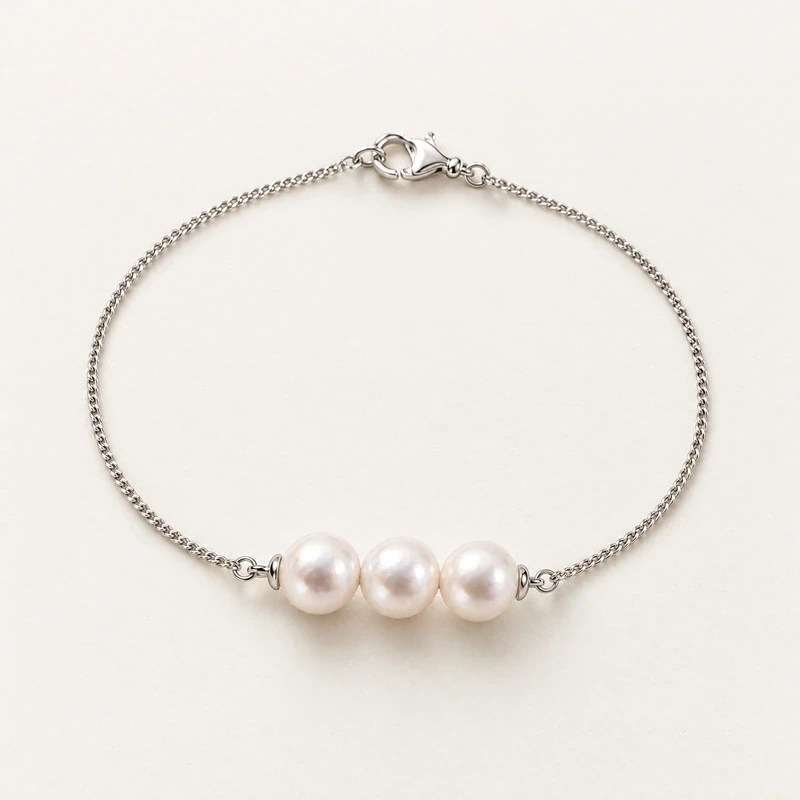
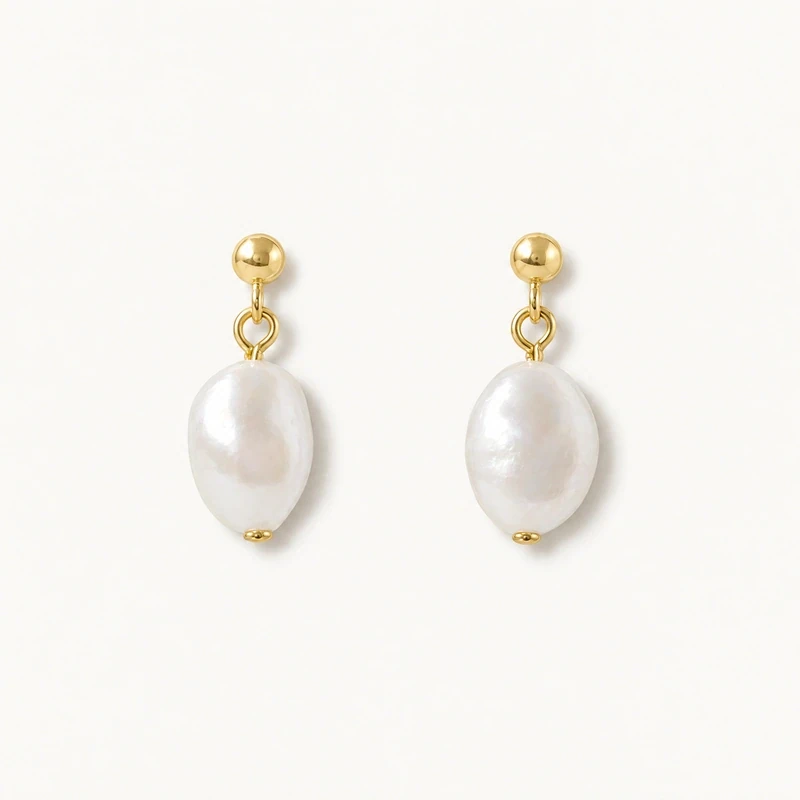
For example, the Emma Freshwater Pearl Drops are available in small and large sizes and in 14k gold-filled or 925 sterling silver. The Anna Freshwater Pearl Bracelet has a single pearl of approximately 5 mm and several length choices. Decide between pieces based on your own outfits and preferences, not on assumptions about how durable or suitable a material will be during travel. Leave anything you would be uncomfortable handling away from home behind.
Inspect each piece before you pack
Before packing, look over every item in good light. Check that pearls appear secure in their settings or on their string, and look for visible changes, snags, or damage to the parts you can see. For a necklace, examine the chain and fastening area; for earrings, check the visible connection between the pearl and the rest of the earring. This is a simple condition check, not a repair or guarantee of future performance.
If you notice a loose-looking component or a condition that concerns you, consider leaving the piece at home until it can be assessed. Make a short written list of the items you take, especially if you are packing more than one small piece. You can compare the list with the jewelry when you unpack. A quick check also gives you a clear reference point: if you notice a change later, you can distinguish it from a mark or irregularity that was already present.
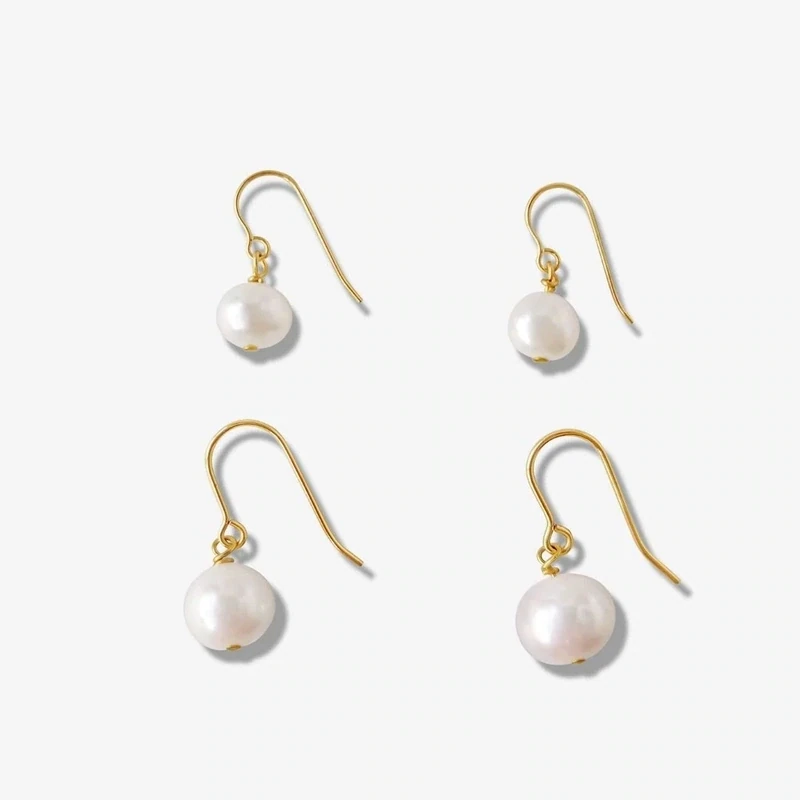
Give every piece its own space
Pack pearls separately from one another and from metal jewelry, keys, coins, and other hard objects. Contact and movement in a crowded pouch can lead to scratches or tangles. Use a clean, soft pouch or a compartment designed to keep items apart, and avoid forcing a piece into a container where it is bent or compressed. If you do not have separate compartments, wrap items individually in soft, clean material and place them so they cannot rub together.
Keep the pearl surface from pressing against clasps, chain ends, or the sharper edges of other objects. Do not use a shared pocket where small items can shift freely. Before closing a case, check that no chain is caught around another piece and that the pearls are not trapped beneath a lid or fastener. A separate, orderly arrangement is more useful than elaborate packing: you should be able to see what is inside and remove one item without pulling the rest out with it.
Prevent chain paths from crossing
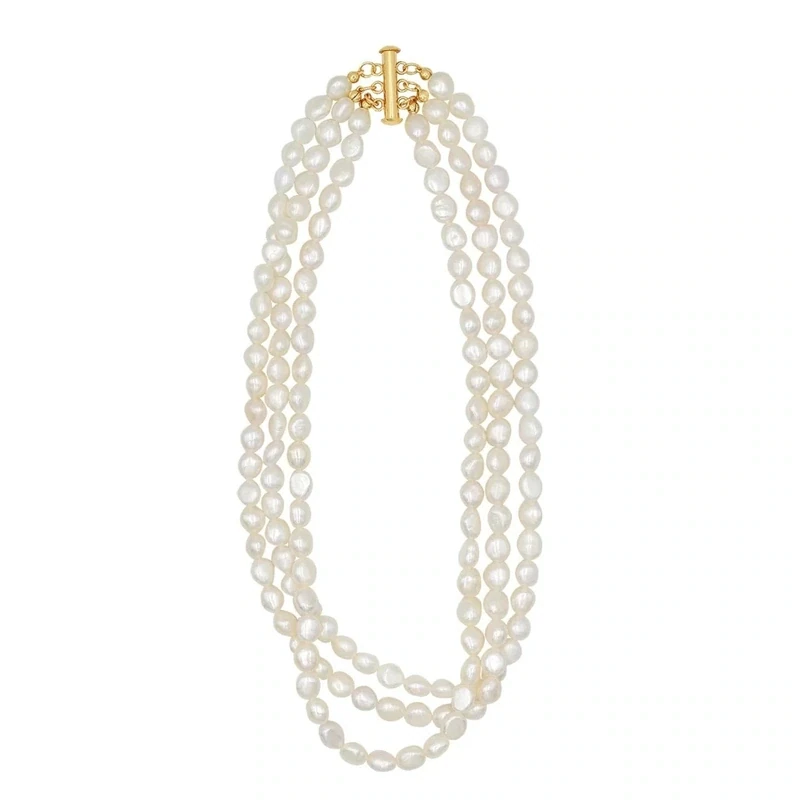
Necklaces need a little extra attention because loose chains can loop around other jewelry or themselves. Give each necklace a separate path, with the chain laid out rather than bundled into a tight ball. A compartment or individual soft pouch can keep it apart from earrings and bracelets. When placing it inside, guide the chain gently so it does not snag on a pearl, clasp, or another piece.
The Large Freshwater Pearl Pendant Necklace has an approximately 36 cm necklace length and a 6 cm extension chain. If you pack a necklace with an extension chain, make sure that extra chain is not left loose among other jewelry. Avoid winding a chain tightly around its pendant or forcing it into a small space. When unpacking, lift the necklace out by a section of chain and allow it to fall naturally before wearing; do not pull hard at a knot. See the necklace collection for other styles to consider when planning a travel rotation.
Keep pearls away from toiletries and chemicals
Store pearl jewelry away from perfume, cosmetics, lotions, hair products, and cleaning liquids. Do not put pieces loose into a toiletries bag, where a leaking container or residue can bring chemicals into contact with them. Apply fragrance and other products first, allow them to settle, and put jewelry on afterward. When you remove a piece, keep it separate from used tissues or surfaces that may have product residue.
Pearls can be damaged by acids and chemicals, so avoid using household cleaners or jewelry-cleaning solutions unless the care instructions for the particular piece support their use. The Gemological Institute of America advises avoiding chemicals and perfume and wiping pearls with a soft, clean cloth after wearing. Its pearl care and cleaning guidance also cautions against ultrasonic and steam cleaners. For jewelry that combines pearls with other materials, take a conservative approach rather than assuming a method suitable for one component is appropriate for the whole piece.
Protect pearls from excessive heat
Do not leave pearl jewelry in a parked car, on a sunny dashboard, or in another place that may become very hot. A closed vehicle can heat up, and a small jewelry pouch does not make it a suitable storage location. Keep the packed pieces with you in a more stable indoor setting rather than leaving them in the car while you stop elsewhere. At your destination, put them away from direct heat sources and strong sunlight.
On travel days, avoid placing a jewelry case beside hot equipment or near a heater. If you are moving between warm outdoor conditions and air-conditioned spaces, simply keep the pearls packed and protected from direct exposure; there is no need to subject them to deliberate temperature changes. Excessive heat is a known care concern for pearls, so preventing avoidable exposure is a sensible precaution. If a piece has been left somewhere hot, inspect it afterward and seek appropriate assessment if its condition appears changed.
Wear and remove pearl jewelry deliberately
Put pearl pieces on after dressing and applying cosmetics, and remove them before changing clothes or beginning activities where they might catch or be knocked. Handle earrings and pendants gently rather than pulling on the pearl itself. When you take a piece off, place it directly in its separate storage spot instead of leaving it on a bathroom counter, bedside surface, or shared table. This makes it easier to remember where it is and reduces contact with clutter or residue.
At the end of a day, wipe the pearls gently with a soft, clean cloth before storing them. Do not rub with an abrasive fabric or use a chemical wipe. Keep the cloth clean, and do not use one that has been exposed to lotion or fragrance. For more general routines, the jewelry care guidance can help you plan everyday handling; follow pearl-specific precautions when the piece includes materials that may require different care.
Check your jewelry again when you unpack
When you reach home, compare each piece with the list you made before departure and inspect it in good light. Look for new marks, a chain that has become tangled, or a change in a visible connection or fastening area. Unpack promptly rather than leaving jewelry inside a travel case among toiletries or clothing. If a piece looks different or a component seems loose, stop wearing it until the condition can be assessed; do not try to fix it by pulling or twisting.
For a straightforward routine, choose a few pieces, inspect them before packing, separate them individually, and keep them away from toiletries and excessive heat. Wear them after applying personal-care products, wipe them gently after use, and check them again at home. A restrained selection and consistent handling make pearl jewelry easier to manage on the road without implying that any packing method removes every risk.