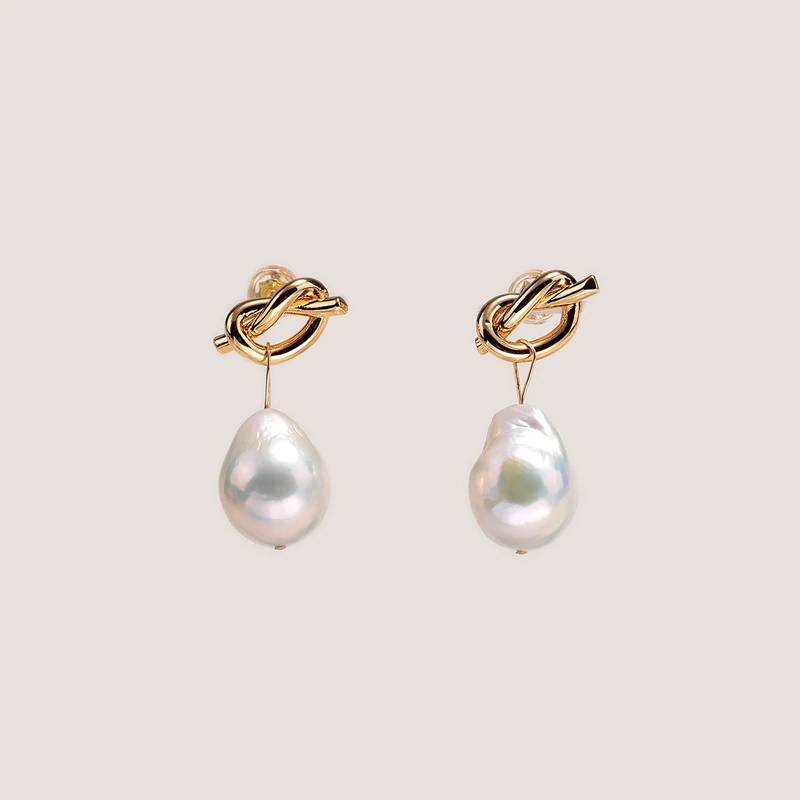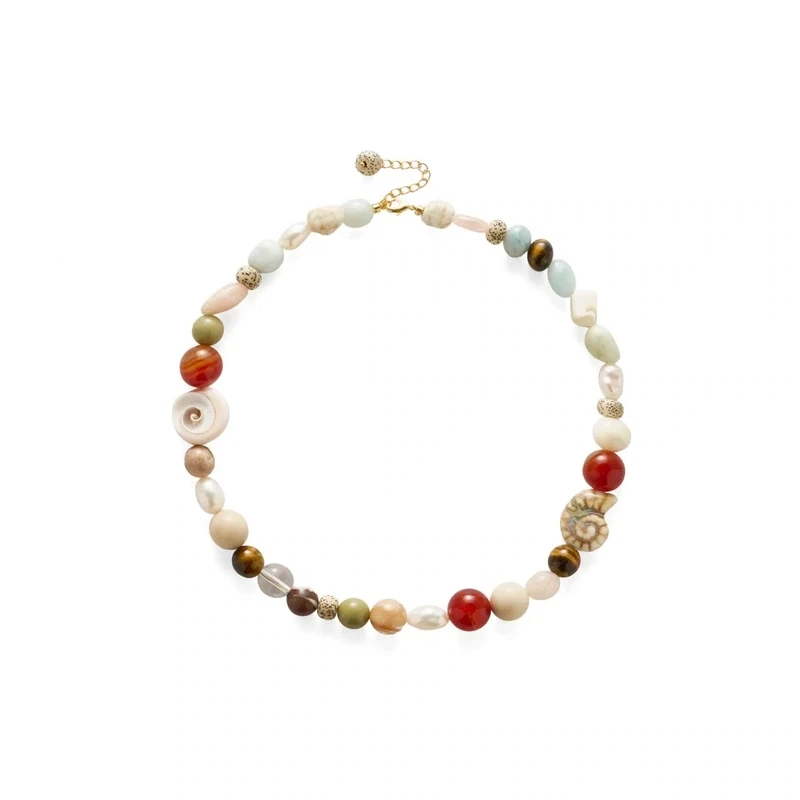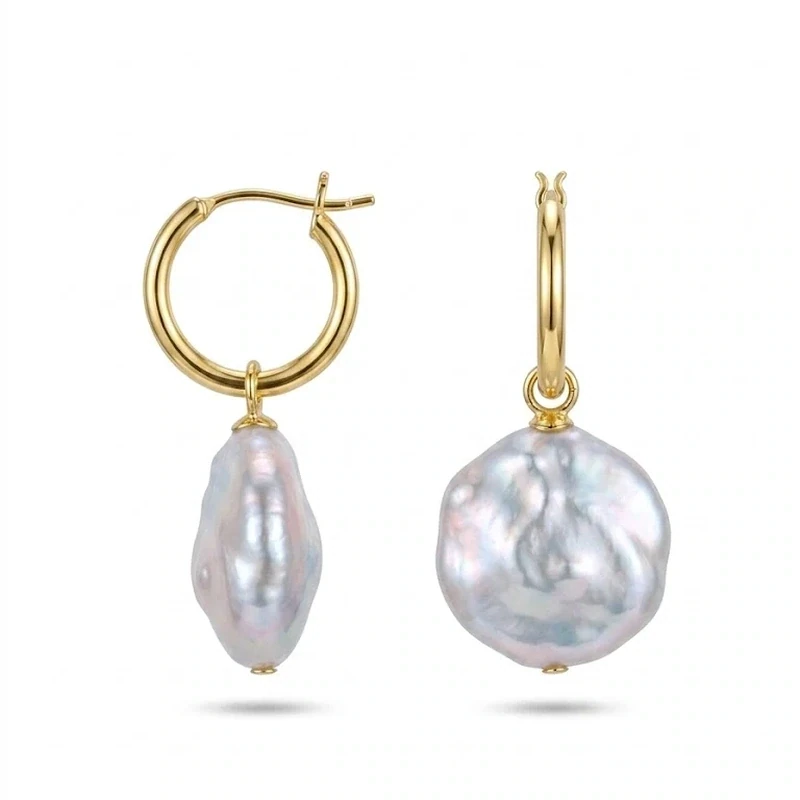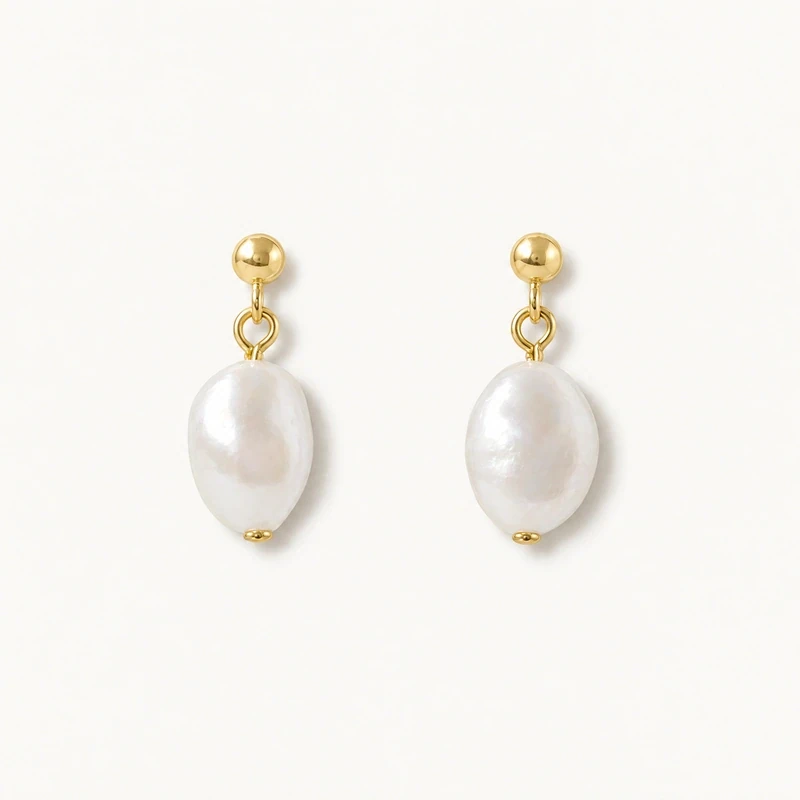
Pearl jewelry does not need an elaborate cleaning ritual after every wear. A consistent, gentle routine is more useful: finish getting ready before putting pearls on, remove them with care, wipe away surface residue and let them dry before storage. The aim is to keep everyday deposits from lingering without exposing pearls to aggressive cleaning methods.
Pearls are relatively soft, so routine care should be conservative. The same is true when pearls are paired with metal findings, chains or other components: each material may respond differently to moisture and cleaning. Whether you wear pearl studs, a pendant or a bracelet, make a quick condition check part of the routine, and avoid assuming that a particular care method is suitable for every part of a mixed-material piece.
Put pearls on after getting ready
Complete makeup, hair styling and dressing before fastening or putting on pearl jewelry. Perfume, hairspray, cosmetics and other personal-care products can leave residue, and pearls should not be treated as if they were impervious to chemicals. Applying products first gives them time to settle and reduces the chance of spraying or rubbing them directly onto a pearl.
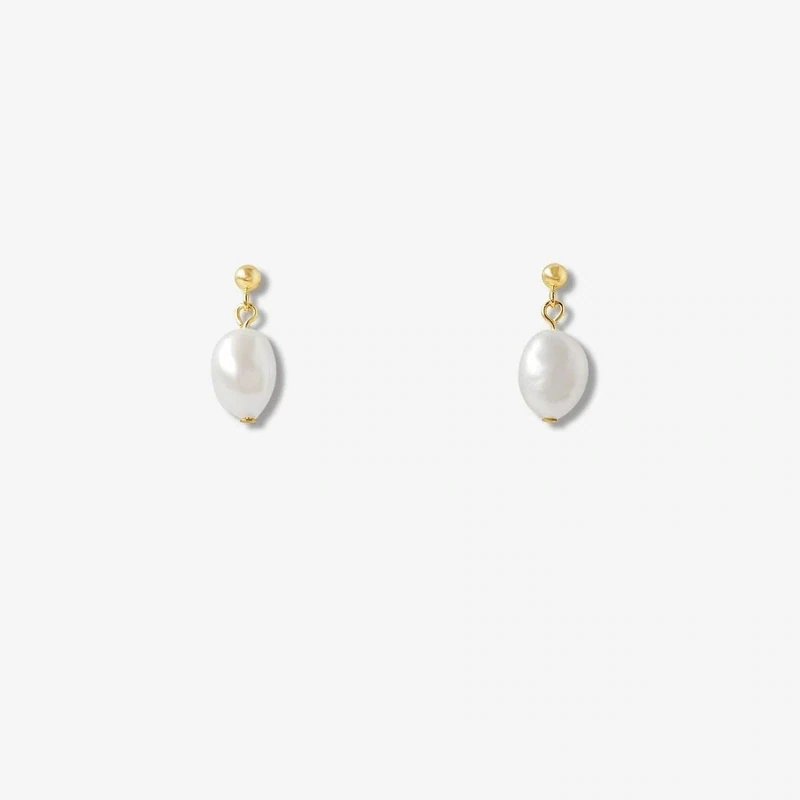
This order also makes the routine easy to remember: prepare, finish, then accessorize. If you use a product after putting on pearls, take care to keep it away from the jewelry rather than treating a later wipe as a guarantee that no residue remains. For a pair such as the Valeria I Baroque Pearl Studs, which feature freshwater baroque pearls and are offered with a 14k gold-filled or 925 sterling silver option, the same cautious approach applies to the complete piece.
Remove jewelry thoughtfully after wearing
At the end of the day, remove pearl jewelry with clean, dry hands and handle it by its metal parts where practical, rather than pulling or twisting against the pearl. This is a gentle handling suggestion, not a claim that any setting or connection is immune to strain. If a piece catches on clothing or hair, pause and ease it free instead of tugging.
Set each item on a clean, soft surface while you prepare to wipe it. Keep pieces separate so a chain, clasp or another item of jewelry does not rub against a pearl. A pearl pendant such as the Jade I Baroque Pearl Pendant combines a freshwater baroque pearl with a chain available in 925 sterling silver or 14k gold-filled metal. Its metal options are distinct, and neither should be mistaken for a description of the pearl itself.
Wipe gently with a clean, soft cloth
After wearing, use a clean, soft cloth to gently wipe the pearl and accessible surfaces. Light, careful passes are preferable to scrubbing. The purpose is to remove ordinary surface residue, not to polish away imperfections or force a shine through friction. Avoid rough cloths, brushes and abrasive materials, which can be unnecessarily harsh on a relatively soft pearl.
Use a fresh section of cloth if the one you started with has visible residue. Do not add household cleaner, polish, alcohol, vinegar or another chemical to the cloth. The Gemological Institute of America advises wiping pearls with a soft, clean cloth after wearing and avoiding acids and chemicals. Its pearl care and cleaning guidance is a useful reference for this restrained approach. If a simple wipe does not address a concern, avoid escalating to a stronger product without suitable guidance.
Check the pearl and its setting
As you wipe, take a moment to look over the pearl and the parts that hold or connect it. Notice whether the piece appears different from when you put it on: for example, whether a finding seems bent, a connection looks loose or a chain has become tangled. This is a visual check, not a substitute for a professional assessment or a promise that a piece is secure.
For pearl jewelry with several components, inspect them separately. The Gabriella Freshwater Pearl Bracelet has six freshwater pearls on a fine chain and is available with a 14k gold-filled or 925 sterling silver chain. Its approximate length is 20 cm and it can be adjusted shorter. A quick look at the pearls, chain and visible connections helps you notice a change before the next wear. If something seems damaged or uncertain, set the piece aside rather than testing it by pulling on it.
Let the jewelry dry fully
Once wiped, leave the piece in a clean, dry place until it is fully dry before storing it. Avoid sealing away jewelry while it is damp. Drying naturally is a straightforward step that does not require a hair dryer, radiator or other heat source. Excessive heat is among the exposures to avoid when caring for pearls.
Be especially patient with pieces that have more than one component or a chain. Do not assume that a dry-looking pearl means every part of the jewelry is dry. For strung jewelry, the GIA notes that it should dry completely after any occasional warm, soapy-water cleaning. Most daily wear does not call for that wash: gentle wiping followed by thorough drying is the more conservative routine. If you are unsure whether a piece needs more than a wipe, do not improvise with heat or a strong cleaner.
Keep steam, ultrasound and chemicals away
Do not clean pearls with an ultrasonic cleaner or steam cleaner. These methods are not a shortcut for routine care, and the GIA specifically advises avoiding both. Avoid acids, chemicals, perfume and excessive heat as well. A cleaning method designed for metal jewelry may not be appropriate for a pearl set into that metal, so do not assume that a mixed-material item can be treated according to just one component.
Warm, soapy water may be appropriate for occasional cleaning, according to the GIA, but that does not make soaking a default daily habit. Be particularly cautious with jewelry that includes a chain, settings or other components whose cleaning needs may differ. When the material combination or construction is unclear, stick to a clean, soft cloth and seek appropriate advice rather than applying a chemical or machine-based treatment. No routine should be presented as a guarantee against wear or damage.
Store pieces separately between wears
After the jewelry is clean and completely dry, place it somewhere it will not be scraped or tangled by other pieces. A soft pouch or a separate compartment can help keep a pearl item apart from neighboring jewelry. Keep the storage area away from strong heat and avoid leaving pieces where personal-care products might spill or spray onto them.
Separation matters for bracelets and necklaces as well as earrings: chains can tangle, and adjacent jewelry can rub together. If you wear several pieces in rotation, return each item to its own place rather than dropping them into one shared pile. For more pearl styles, the necklace collection offers a relevant place to browse; whatever the design, inspect and store each piece according to its actual materials rather than assuming all jewelry can share the same cleaning method.
Make the routine easy to repeat
A practical wear-day sequence is simple: finish cosmetics and hair products, put on pearl jewelry, remove it gently after wearing, wipe it with a clean soft cloth, check its visible condition and let it dry fully before storing it separately. Keep steam, ultrasonic cleaning, acids, chemicals and excessive heat out of the routine. These steps are deliberately modest; they reduce avoidable exposure but do not promise that pearls or metal components will never change or become damaged.
Adjust the routine to the piece without inventing care instructions from a material label. A pearl with a gold-filled chain is not the same material as a pearl with a sterling silver chain, and neither option changes the nature of the pearl. When you notice a loose-looking connection, damage or residue that a gentle wipe cannot address, stop wearing the piece until you have suitable guidance. Consistent gentle care is a more sensible daily habit than harsh cleaning.