Minimal dressing is not simply a matter of wearing fewer things. It is a way of giving each visible element room to register: a clean neckline, a defined sleeve, a strong color, or one piece of jewelry with an unmistakable outline. Baroque pearls suit this approach because their irregular shapes supply visual interest without requiring a second statement piece. The contrast is useful: a simple outfit gives the pearl space, while the pearl keeps the outfit from feeling anonymous.
The key is to decide where you want the eye to go, then let the rest of the styling support that choice. A ring makes the hand the focal point; earrings frame the face; a choker draws attention to the neckline. Each can work with a minimal wardrobe, but they do not create the same effect. Consider the garment’s shape, the amount of exposed skin, and how you wear your hair before choosing. One clear accent is a practical editing rule, not a requirement to dress in a particular way.
Begin with one focal point
Before choosing a pearl piece, identify the outfit’s natural point of emphasis. A crisp collar may already frame the neck; a bare wrist or hand may offer a quieter place to add detail. If a neckline is the strongest feature, an additional necklace can compete with it. If the outfit is plain from shoulder to waist, a pearl drop or choker may bring definition where it is welcome. Treat the pearl’s irregular silhouette as the feature, rather than trying to build a cluster of matching accents around it.
This also makes getting dressed easier: choose the jewelry first, then remove anything that asks for equal attention. A baroque pearl ring can sit comfortably alongside understated clothing, while several prominent pieces may divide the focus. That does not mean other jewelry is forbidden; it means asking whether each piece has a job. For a deliberately spare look, let one pearl lead and keep other details visually quiet. Browse the ring collection if you are considering a hand-level focal point, or compare that idea with face- and neckline-focused options.
Use solid color as visual breathing room
Solid-color clothing offers a calm background for a pearl’s uneven outline. A single uninterrupted field of color makes shape easier to notice than a busy print with multiple competing edges. This can work with light or dark clothing: the useful question is whether the pearl remains visually distinct against the fabric and whether the overall contrast suits your preference. A simple black top, a white shirt, or a muted single-color dress can each provide a different backdrop without requiring a special occasion.
Think beyond color alone. Fabric texture and surface details also affect how much visual activity is already present. A plain knit or smooth shirt usually leaves more room for sculptural jewelry than a heavily embellished top. If the garment has a prominent pattern, ruffle, or decorative neckline, either choose a quieter pearl piece or let the clothing remain the main event. The aim is not to match a pearl to a precise color formula. It is to check the full outfit in a mirror and notice whether the pearl has space to be seen without turning the rest of the look into a competing statement.
Let silhouette and negative space work together
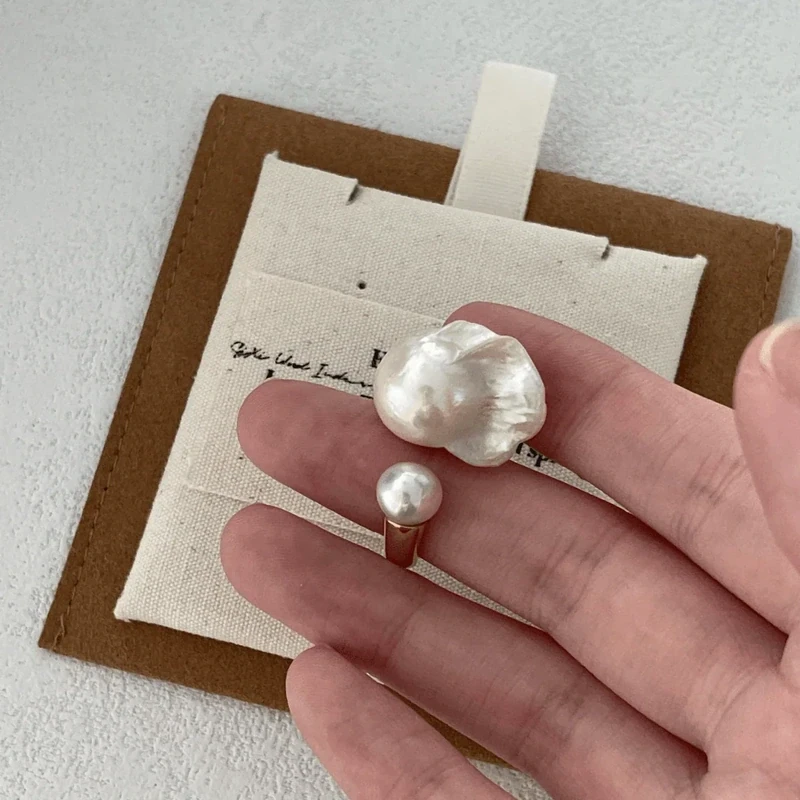
Negative space means the visible areas around a piece of jewelry: the open neckline around a pendant, the gap between an earring and the shoulder, or the uncluttered line around a hand. These spaces help a sculptural pearl read clearly. A high neckline can make earrings more prominent; an open neckline can give a short necklace room to sit visually apart from the garment. Sleeves that leave the hands visible can make a ring feel intentional rather than incidental.
Check proportions rather than following a strict rule about what is allowed. A long, loose shirt and a large ring create a different balance from a fitted sleeve and the same ring. A simple crew neck may frame drops, while a narrow collar can bring more attention to a choker. If several clothing edges converge near the pearl, consider shifting the focal point to another area. This is a useful moment to step back and observe the outline of the whole outfit, not just the jewelry close up. Space around an accent can be as important as the piece itself.
Choose between a ring, drops, and a choker
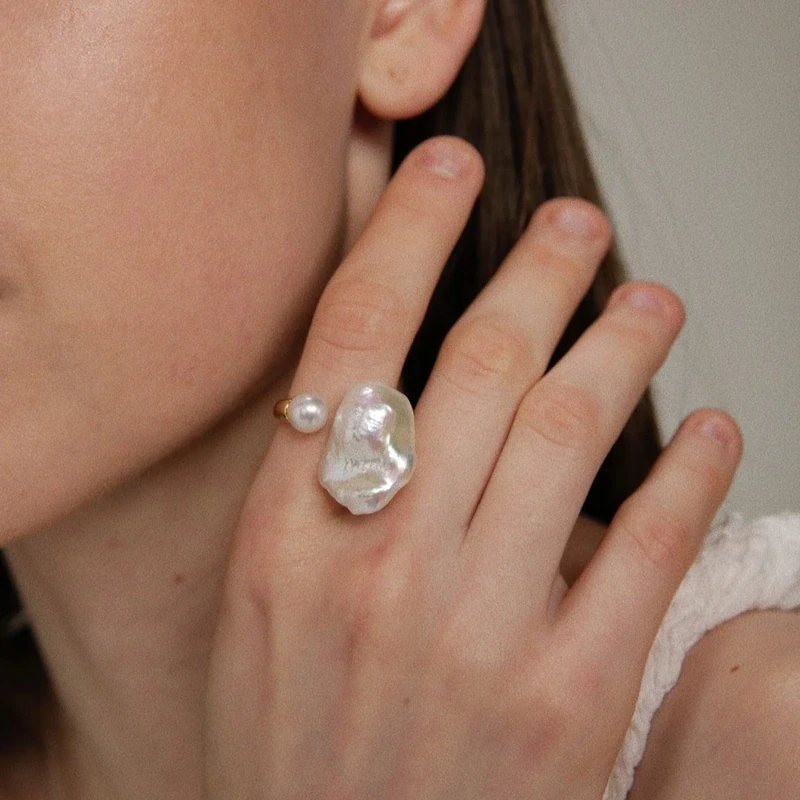
A ring offers the most localized accent of these three choices. The Oversized Baroque Pearl Open Ring pairs a baroque pearl with S925 sterling silver plated with 18K gold and has an open, adjustable design. Its large pearl makes the hand a clear focal point, so it can suit an outfit with a simple sleeve and few other prominent accessories. Because the opening is adjustable, consider how you want the ring to sit and whether its scale feels balanced with your hands and clothing.
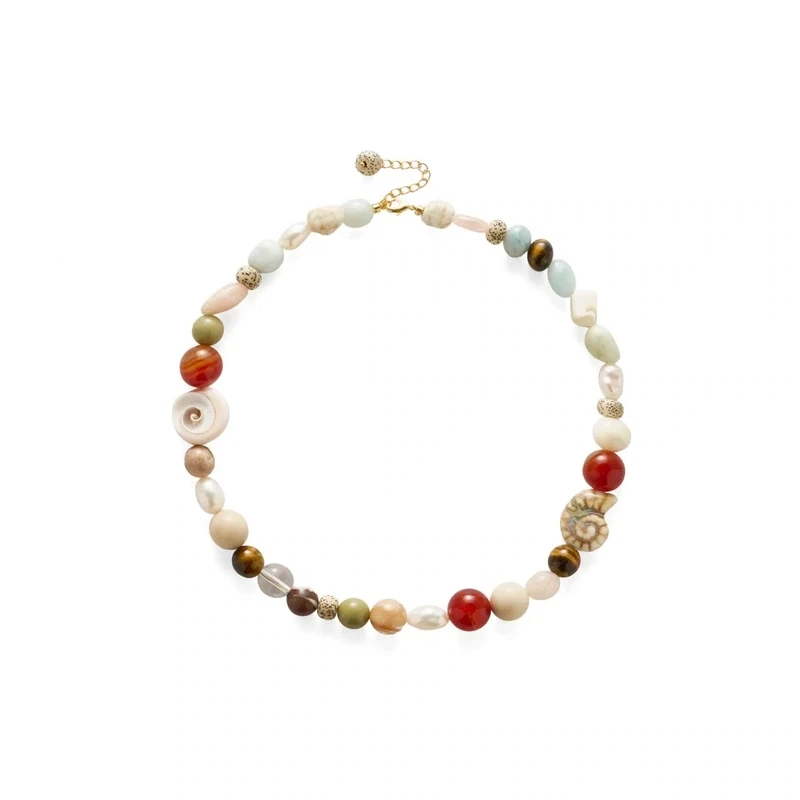
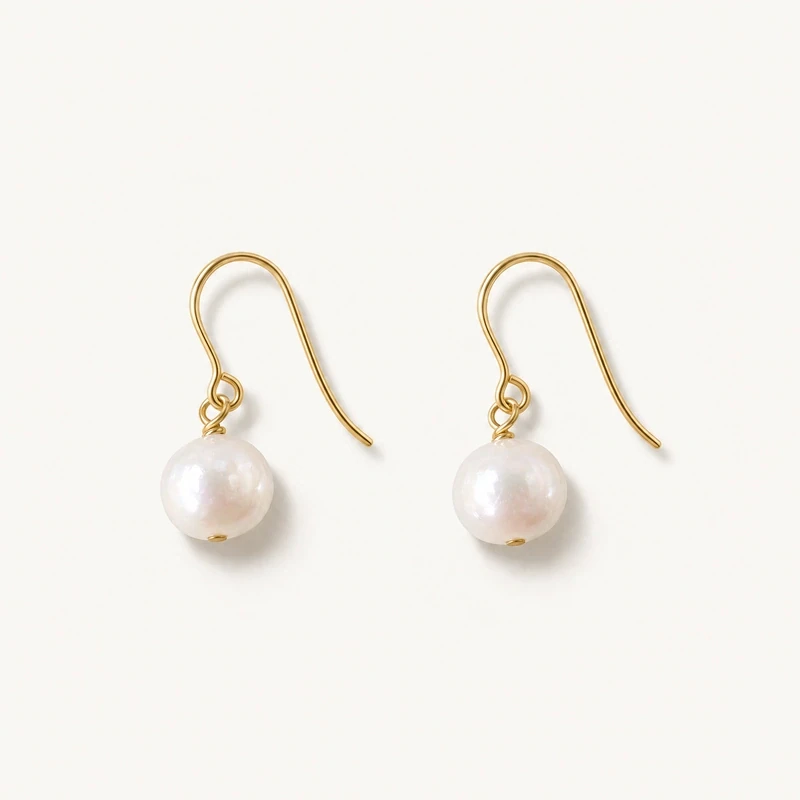
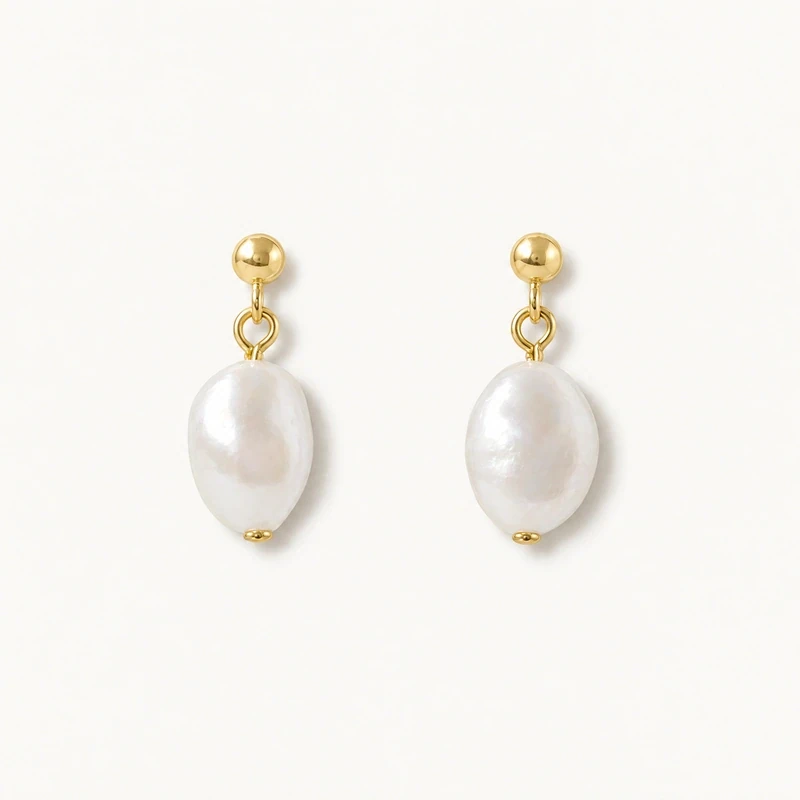
Earrings move the focal point upward and can be especially noticeable when the hair is tucked back or gathered. The Gracie Baroque Pearl Earrings are approximately 5 cm long, including the pearl, with pearls approximately 8–10 mm. Their freshwater baroque pearls have individual shapes and surface characteristics; appearance may vary. The CINDY Floating Pearl Choker, with a chain length of approximately 45 cm and pearls approximately 15–18 mm, places the emphasis at the neckline. Its listed material is baroque pearl and 14K gold on sterling silver. Choose according to where you want attention, not simply which piece seems most dramatic.
Use hair and neckline to frame earrings
Hair changes the amount of visual space around an earring. Wearing it back or behind the ears can make pearl drops easier to see, while hair worn loose may partly cover them and soften their presence. Both approaches can look considered. If you prefer an open, direct frame for the face, pull the hair away from the ears; if you want a more relaxed effect, let the hairstyle remain natural and check whether the earrings still show as much as you intend.
Also consider the shoulder line and collar. Long earrings can fall near the shoulder, so a high collar, textured fabric, or broad lapel may create more visual activity around them. Try the outfit with the earrings in place and turn your head; the goal is to see whether their length feels balanced beside the garment. The Gracie earrings are approximately 5 cm long, a useful listed measurement when imagining their placement. If that length feels like too much alongside a particular neckline, a ring or choker may provide a cleaner single accent instead.
Keep a choker’s neckline uncluttered
A choker is a direct way to make the neckline the center of a minimal outfit. The CINDY Floating Pearl Choker has an approximately 45 cm chain and baroque pearls approximately 15–18 mm. Those measurements can help you consider how the piece may sit with a neckline, but the way jewelry appears depends on the outfit and how it is worn. A simple open collar or uncluttered neckline gives the pearl silhouettes room to register. If the top already has a strong collar or decorative trim, the choker may share attention with it.
When choosing this option, look at the full area from chin to chest. A hairstyle that keeps the neck visible and a garment without extra decoration can make the pearl the clear focal point. Conversely, a covered neckline may conceal part of the chain or compress the visual space. There is no need to add a second necklace to make the look feel complete: the choker can stand on its own, with the rest of the outfit providing its frame. For more necklace options, explore the necklace collection and compare silhouettes with your usual necklines.
Make the finish feel deliberate, not overmatched
With a single statement pearl, keep the supporting details considered rather than identical. The ring is described as S925 sterling silver plated with 18K gold; the Gracie earrings have 14k gold-filled hooks in the yellow-gold option or 925 sterling silver in the sterling-silver option; the choker is listed as 14K gold on sterling silver. These are different material descriptions, not interchangeable terms. If you wear more than one metal finish, think about whether the combination looks intentional with your clothing, rather than assuming every piece needs to match exactly.
Minimal styling also leaves room for small personal choices: a clean cuff, a plain belt, or a simple shoe can support the outfit without becoming another focal point. Keep those choices secondary if the pearl is meant to lead. Baroque means an irregular pearl shape; the term alone does not establish whether a pearl is cultured or uncultured. If you want to learn how to care for pearl jewelry, follow the conservative advice in jewelry care guidance, including wiping pearls gently after wearing and avoiding harsh cleaning methods.
Finish with a practical mirror check
Before heading out, make a quick three-part check. First, identify the focal point: can you tell at a glance whether the ring, earrings, or choker is leading? Second, look for competing edges around it, including prints, collars, and other jewelry. Third, consider movement: will the piece remain visible with your hair, sleeves, and usual posture? This is not about making an outfit perfectly symmetrical. It is a way to catch a combination that feels busier than you intended.
If the look feels crowded, remove one competing detail or switch the pearl to a different placement. If it feels too bare, adjust the clothing silhouette or hairstyle before adding another statement piece. A baroque pearl is already distinctive because its outline is irregular, and one carefully placed accent can be enough. Choose the piece that works with the neckline or hand you want to emphasize, give it breathing room, and let the rest of the outfit stay simple.