Jewelry descriptions can place several material terms side by side: a pearl, a crystal, a gemstone name, and a color or finish. Those words do not all answer the same question. Some identify what a component is called, some describe a material category, and others may simply tell you how a metal fitting looks. Reading them separately makes it easier to understand what a piece contains without assuming that every sparkling or colored element is a natural gemstone.
A useful approach is to look for the exact material wording, then check which component it applies to. “Freshwater pearl,” “Swarovski pearl,” “Swarovski crystal,” “cubic zirconia,” and “lapis lazuli” are not interchangeable descriptions. Product examples make the distinctions concrete: one necklace lists a Swarovski pearl pendant and a zirconia crystal charm, while earrings identify a Swarovski crystal pendant and a cubic zirconia connector. The label is most useful when you read each term in context.
Start by separating material from appearance
A material name identifies what a jewelry description says a component is; an appearance term describes how something looks. “Blue,” “gold-color,” and “silver-color” are appearance or color descriptions, not proof of a particular stone or metal. A blue component could be described by a named material, such as lapis lazuli, or only by its color. Likewise, gold-color fittings are not the same claim as gold metal. Check whether the description names the material, the color, or both.
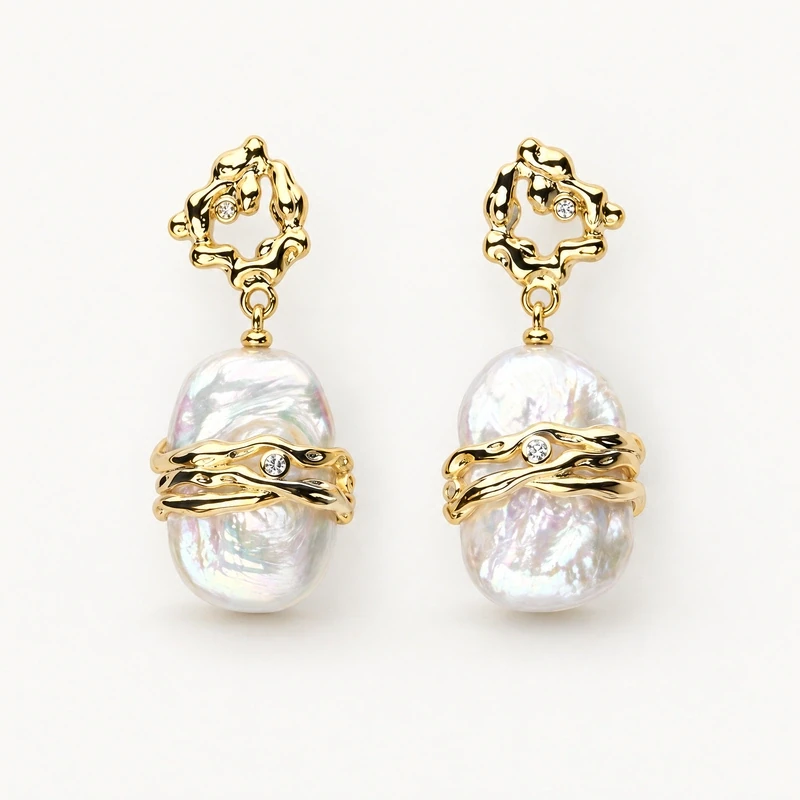
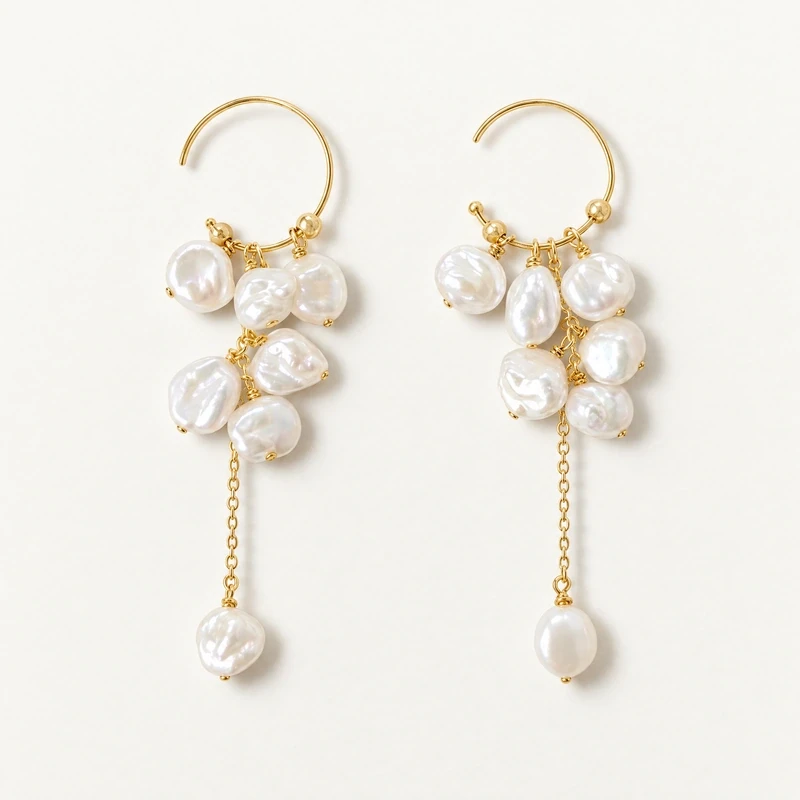
For example, the Vintage Lapis Pearl Drop Earrings specify lapis lazuli, freshwater pearl, and 18K gold vermeil. The named stone and pearl tell you more than a description that simply says “blue and white.” The metal term is also specific: vermeil is not another way to say solid gold. When a listing gives a color without a material name, avoid filling in the gap based on appearance alone.
What “freshwater pearl” tells you
Freshwater is a pearl category, not a claim that a pearl is uncultured. Cultured pearls grow with human intervention and care, and they are real pearls. Natural pearls form without human intervention. The word “pearl” by itself does not establish which origin applies, so do not infer natural, uncultured origin unless the description explicitly supports it. The Gemological Institute of America explains these distinctions in its pearl description guide.
Freshwater pearls can vary in size, shape, and color. The listing for the Vintage Lapis Pearl Drop Earrings specifically calls its pearl freshwater; that is the appropriate category to carry forward when describing the piece. It does not provide a pearl size or an origin claim beyond that term. For practical comparison, note the named category first, then any stated measurement or shape. If a listing does not give those details, treat them as unknown rather than estimating from a photograph or from the general word “pearl.”
Read “Swarovski pearl” as a component name
A Swarovski pearl is a branded manufactured pearl component, not a freshwater or Akoya cultured pearl. The brand wording identifies the component as described; it does not make it a natural pearl, and it should not be substituted for a cultured-pearl category. Nor does the name establish a partnership between a jewelry retailer and the component brand. Keep the distinction precise: “Swarovski pearl” is the product’s component wording, while “freshwater pearl” names a pearl category.
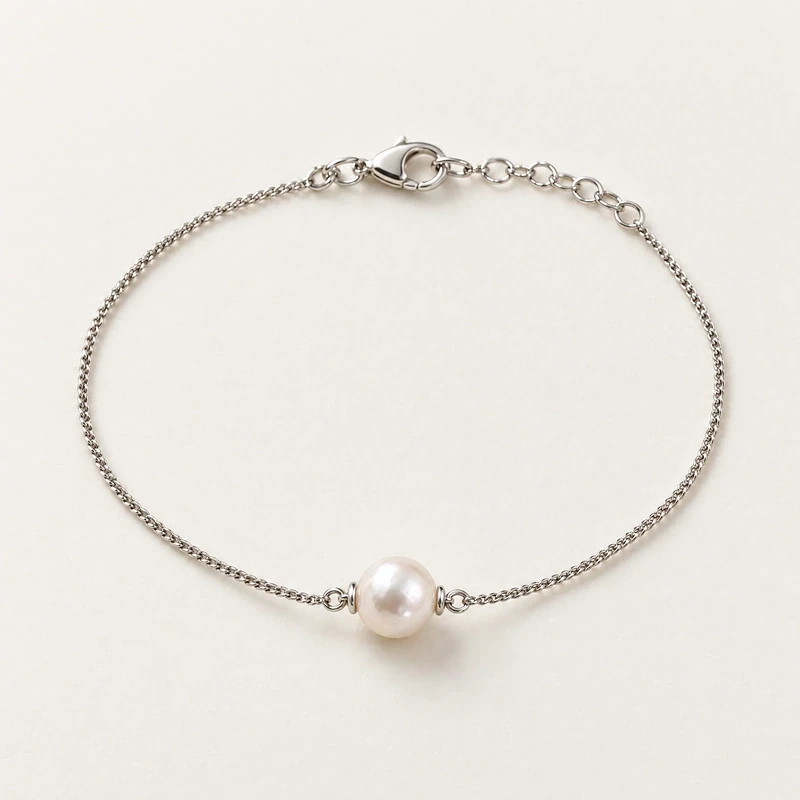
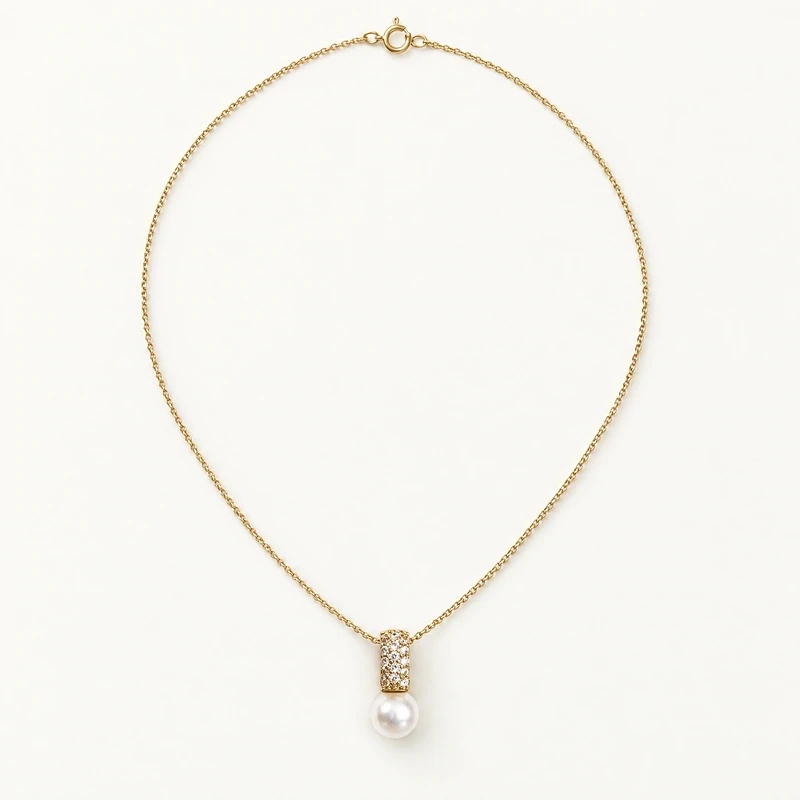
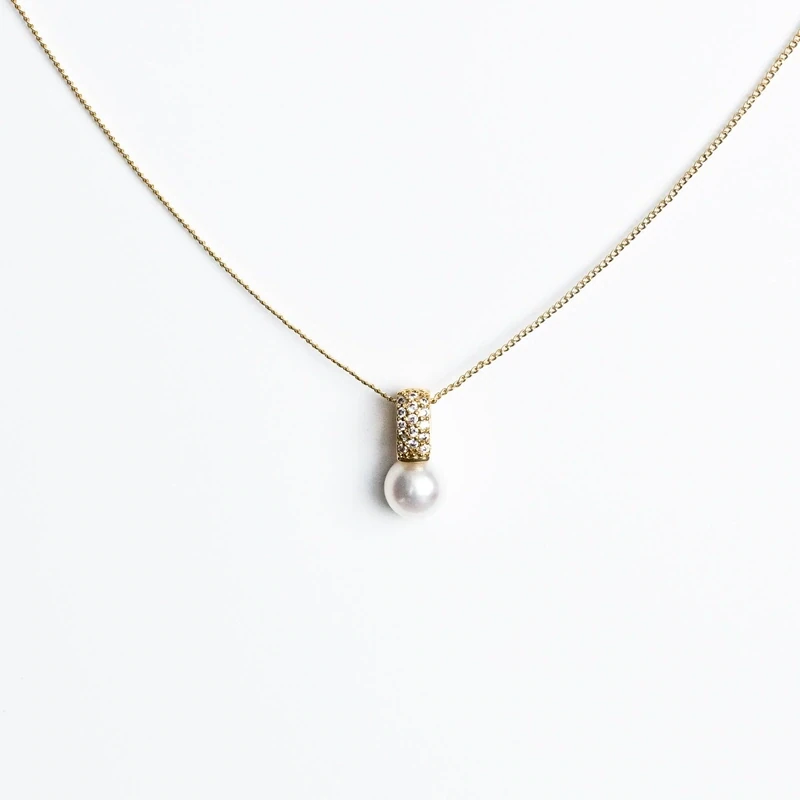
The ELLEE Swarovski Pearl Necklace lists an 8 mm Swarovski pearl pendant, a zirconia crystal charm, and a 925 sterling silver chain. Its 16-inch necklace length is stated separately from those material terms. This is a useful example of reading a multi-material label one component at a time: the pendant is not described as freshwater, and the charm is not the same element as the pendant. Use the listing’s own distinctions when comparing it with jewelry that names a cultured pearl.
Understand the Swarovski crystal distinction
“Swarovski crystal” identifies a branded crystal component. It should not be described as a freshwater or Akoya pearl, and it is not a synonym for a natural gemstone or natural diamond. A brand name can identify a component without changing the broader material category. Keep the wording attached to the correct part of the jewelry: a crystal pendant, for instance, may be paired with a different material at its connector or fitting.
The ELLSA Crystal Drop Earrings describe a Swarovski crystal pendant and a cubic zirconia connector. The product also lists gold-color or silver-color fish hook or clip-on earring fittings as options. Those color descriptions do not establish that the fittings are made of gold or silver. The stated approximate total length is 43 mm, with a decorated area approximately 32 mm long and a widest point approximately 12 mm. Read these measurements independently from the material names; size does not tell you what a component is made from.
Why cubic zirconia is its own term
Cubic zirconia is a distinct named material, not another name for Swarovski crystal, a pearl, or a natural diamond. When a product description says “cubic zirconia,” preserve that wording rather than replacing it with a more familiar but inaccurate label. “Zirconia crystal” may also appear as wording for a particular product component, but do not assume that two descriptions refer to the same component unless the listing says so. The safest reading follows the exact phrase and the component it modifies.
In the ELLEE necklace description, “zirconia crystal charm” refers to the charm, while “Swarovski pearl pendant” identifies the pendant. In the ELLSA earrings, cubic zirconia is identified as the connector, separate from the Swarovski crystal pendant. These examples show why a materials list should be read as a set of component-level statements rather than a single overall label. If you are comparing two pieces, record each named material and where it appears before drawing conclusions about similarities.
When a gemstone is named, and when it is not
Lapis lazuli is a named material in the Vintage Lapis Pearl Drop Earrings. That wording distinguishes it from an item described only as blue. It does not, by itself, supply details such as a stone’s treatment, origin, or grade, so those should not be added to a comparison. A color name is useful for describing appearance, but it is not enough to identify the material. Conversely, a named material gives a more specific label than color alone.
For a careful purchase comparison, make two notes: the exact stone or component name, and any stated color or finish. If only the color is listed, keep the material unspecified. If a stone name is given, do not expand the claim with properties that the description does not provide. You can compare the visible palette and the named materials without treating either one as evidence of an unstated treatment, quality grade, or source. This keeps decisions anchored to information that is actually available.
Use a simple label-check before comparing pieces
Before settling on a piece, scan its description in a consistent order. First identify every named component: pearl, crystal, zirconia, gemstone, chain, and fitting. Next, separate material names from color descriptions and metal terms. Then check which measurements apply to the whole item and which refer to an individual element. Finally, note what the label does not tell you. Missing information is not a reason to assume a particular origin, treatment, construction, or metal composition.
For broader browsing, the necklace collection offers a place to compare styles, while individual product descriptions remain the source for each piece’s listed materials and measurements. Apply the same method to every label: preserve the exact category, keep each component distinct, and treat color as color unless a material is named. That makes it easier to compare a freshwater pearl with a Swarovski pearl component, or lapis lazuli with a blue-colored element, without confusing appearance with composition.