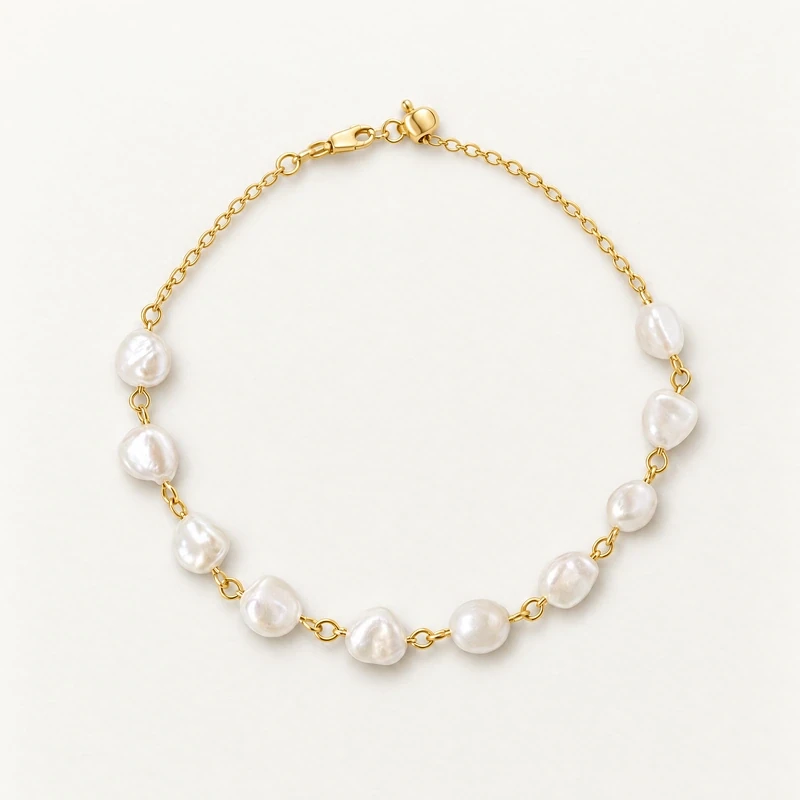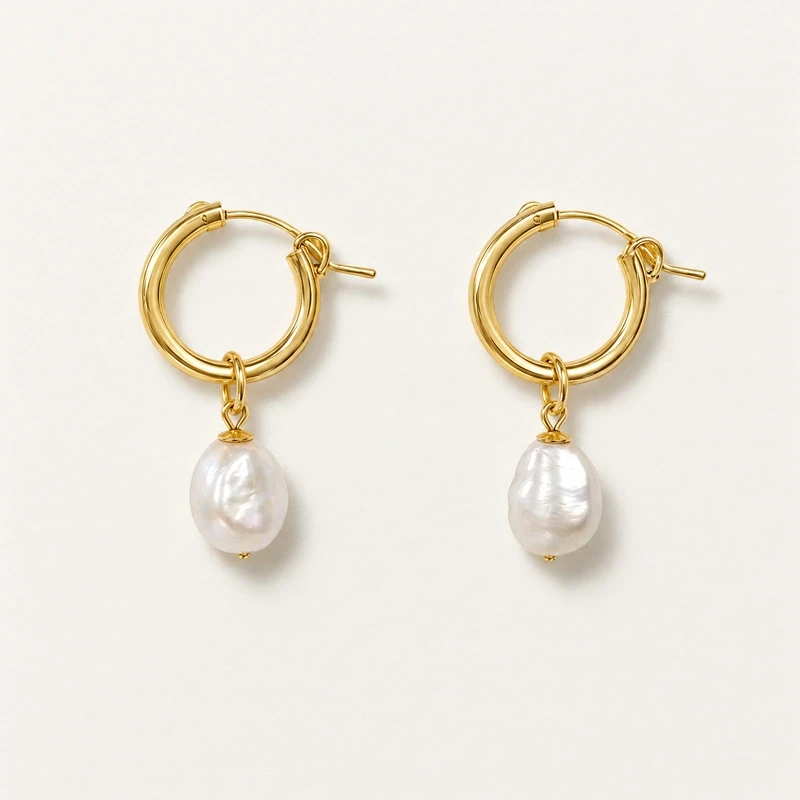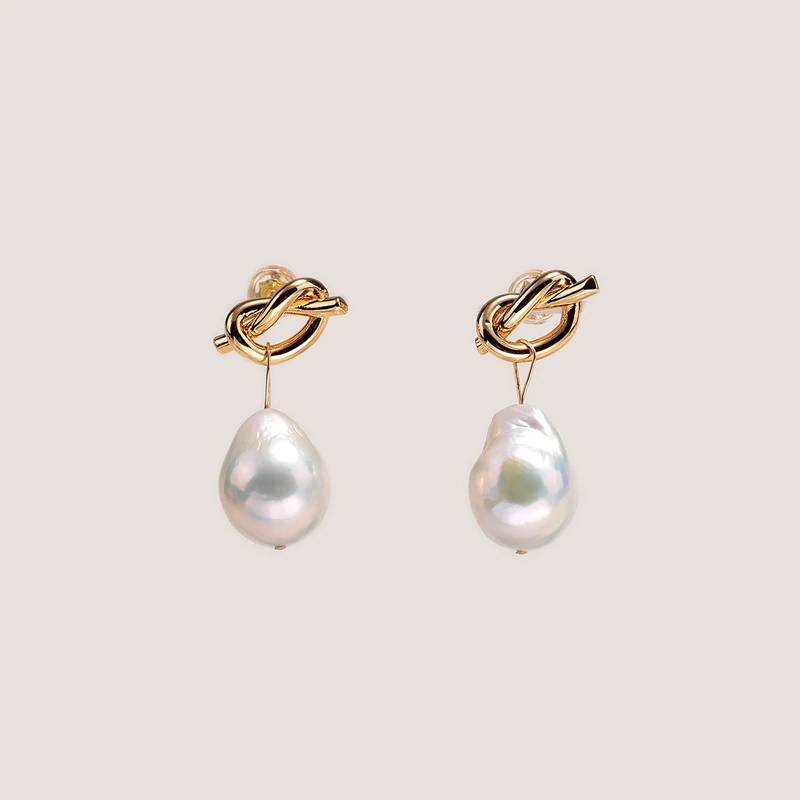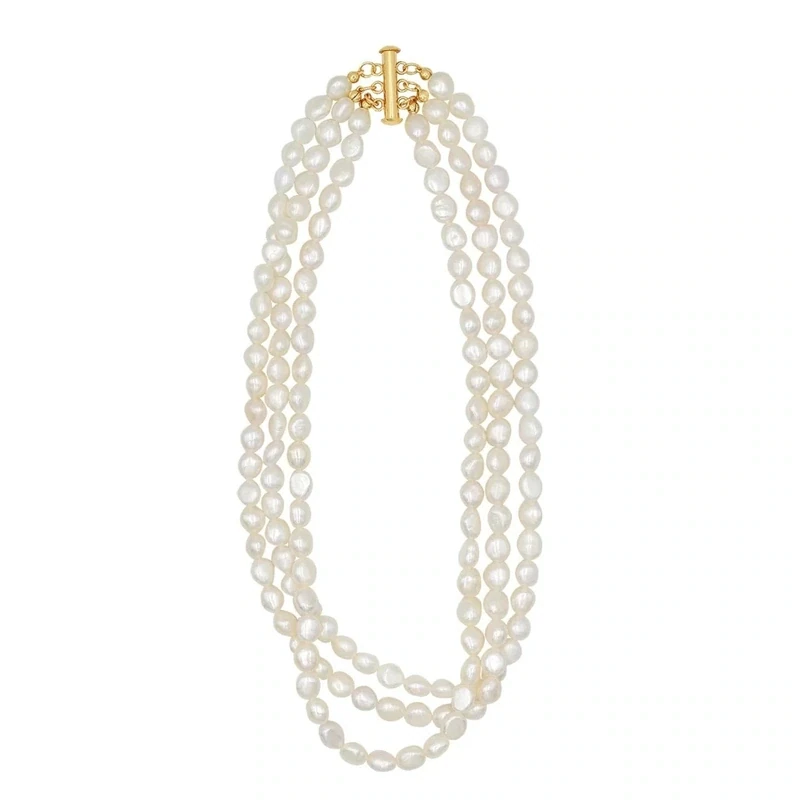
Pearl-care education works best when it is part of a specific conversation about the piece in front of the customer. A useful explanation covers what the pearls are, which other materials are present, what to do after wearing, and which cleaning methods to avoid. It should make care feel manageable without implying that every design can be treated identically or that careful handling prevents all damage.
For retail teams, the aim is not to deliver a long technical lecture at the point of sale. It is to offer a short, accurate routine, invite questions, and provide a way to revisit the advice later. The same approach can guide follow-up messages and staff discussions: describe known materials plainly, distinguish general pearl care from product-specific cautions, and avoid claims about durability, allergy safety or maintenance outcomes that cannot be established.
Start with the piece, not a generic pearl rule
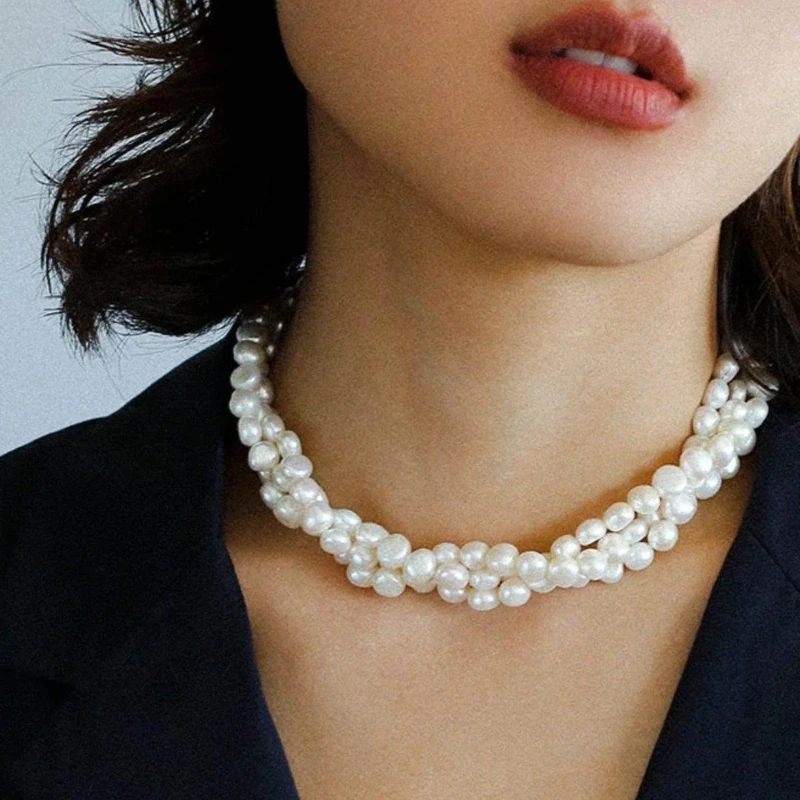
Before explaining care, identify the jewelry’s listed components and construction. A customer considering the Vintage Baroque Pearl Necklace, for example, is looking at 6–7 mm freshwater baroque pearls and copper plated with 18K gold. Its listed necklace length is 40 cm. That combination calls for a mixed-material explanation: the pearls need gentle handling, and the plated component is another reason not to recommend harsh chemicals or aggressive cleaning.
Compare that with the Capri Cascading Pearl Earrings, described as freshwater pearls with 18K gold vermeil, measuring 5.3 cm long and 4 g per earring. Vermeil has a sterling silver base, but staff should not extend that material description into unlisted claims about care performance. Ask customers to check the product information when they are unsure which version or component they have. The right starting point is the actual listed material, not the assumption that every pearl piece is a simple strand.
Use a short, repeatable care script
A clear point-of-sale script can be brief: “Pearls are soft, so handle them gently. After wearing, wipe them with a clean, soft cloth. Keep them away from perfume, chemicals, acids, excess heat, steam and ultrasonic cleaners. If the piece has other materials, use conservative care and follow its product-specific guidance.” This captures the main cautions in GIA’s pearl care and cleaning guidance without promising a particular lifespan or outcome.
Staff can then ask one practical follow-up question: “Would you like me to go over how to clean or store this particular design?” That invitation gives customers room to ask about their own routine without overwhelming them with information they may not need. Avoid presenting the script as a guarantee or as a substitute for checking the design’s full material list. When a customer asks about an unlisted component, a specific cleaning product or a suspected problem, do not guess. Explain what is known and offer a path to verify the details.
Explain the after-wear routine in usable steps
Make the first action memorable: after wearing, wipe the pearls gently with a clean, soft cloth. A customer can do this as part of putting jewelry away, rather than waiting until visible residue builds up. Encourage careful handling of the whole piece, especially where pearls sit alongside other components. The goal is routine, gentle attention—not scrubbing, polishing with an unknown compound or trying to restore a finish through force.
GIA notes that occasional cleaning with warm, soapy water may be possible for pearls, but strung jewelry must dry completely. For retail guidance, qualify that advice rather than turning it into a universal instruction for every design. Mixed-material pieces may include plated metal, sterling silver, vermeil, crystals, shell or other components, each of which can have different sensitivities. If the customer cannot confirm how a particular piece should be cleaned, recommend pausing before using water or a cleaning product and checking the product information. Never imply that a quick rinse is automatically appropriate.
Make avoidance advice specific and memorable
Customers benefit from hearing what not to use as plainly as what to use. GIA advises avoiding ultrasonic and steam cleaners for pearls, as well as acids, chemicals, perfume and excessive heat. Translate this into everyday situations: do not put pearl jewelry into an ultrasonic machine with other pieces, do not steam it as a shortcut, and avoid spraying perfume directly onto it. Keep the explanation calm and practical; the intention is to help someone choose a gentler routine, not to make ordinary ownership sound fragile or risky.
For mixed-material jewelry, staff should be especially careful about recommending household cleaners or general-purpose jewelry solutions. A cleaner selected for one metal or component may not suit the pearls or another part of the design. The same is true of polishing cloths or abrasive methods when the composition and finish are not established. If asked whether a product is safe for a specific combination, check its instructions and the jewelry’s material information rather than making a blanket assurance. Conservative advice is more useful than confident speculation.
Address mixed materials without overpromising
Product examples make this conversation concrete. The Allie White Flower Earrings combine handmade polymer clay flowers, Swarovski crystals, mother-of-pearl accents and 925 sterling silver fish hooks; the description also offers a clip-on option. The listed silver material applies to the fish hooks, so do not assume it describes the alternate fitting. A customer asking how to clean the earrings should be directed to gentle, conservative care for the entire combination rather than a method chosen for just one component.
Similarly, distinguish material terms instead of treating them as interchangeable. The necklace’s copper plated with 18K gold is not described as solid gold, gold-filled or vermeil. The Capri earrings are described as vermeil, which has a sterling silver base. These distinctions help staff avoid misleading shorthand while staying focused on care. Do not promise that a piece is waterproof, tarnish-free, allergy-safe or suitable for a particular cleaner unless that specific claim is established. When details are not listed, say so and avoid filling the gap with assumptions.
Offer storage guidance as a gentle habit
Keep storage advice simple and compatible with the same conservative approach. Suggest putting pearl jewelry away carefully after it has been wiped, rather than leaving it where it may be handled roughly or exposed to heat and chemicals. Encourage customers to avoid placing pieces where they can be crushed, tangled or scratched by other jewelry. Do not claim that one particular box, pouch or storage material is required unless that instruction is supported for the item.
For multilayer, linked or embellished designs, remind customers to handle the piece without pulling at the strands or decorative elements. The Vintage Baroque Pearl Necklace’s listed weight is 72 g per piece, while the Capri earrings have linked cascading elements; these details can help staff describe why a customer may want to take care when putting each item away. They do not establish a special storage system or a guaranteed way to prevent wear. Customers seeking item-specific instructions can review the jewelry care information and the product’s material details together.
Build follow-up around clarity and questions
A useful follow-up message repeats the core routine in a few lines: wipe pearls with a soft, clean cloth after wearing; avoid steam, ultrasonic cleaning, acids, chemicals, perfume and excessive heat; and use conservative care when other materials are present. Link the customer to relevant care information and the exact product page rather than sending a generic instruction that may not reflect the item. If the customer raises a question that depends on an unlisted material or construction detail, acknowledge the limit and seek clarification before advising a cleaning method.
Keep a simple internal feedback habit alongside customer follow-up. Staff can note recurring questions, unclear material wording and care issues customers report, then route those observations to the person responsible for product information. Separate what a customer reports from what has been confirmed; a question or anecdote is not proof of a product defect or a universal care rule. Review the wording when a listing is clarified, and ensure future conversations use the revised information. This creates a practical feedback loop without suggesting a formal training program or promising a particular resolution.
Close the conversation with one next step
Before the customer leaves, confirm the essentials in their own words: gentle wipe after wear, no steam or ultrasonic cleaner, and extra caution around other materials. This quick check is more useful than repeating every possible warning. If the customer is choosing between pieces, explain the material differences and invite them to compare the item-specific listings. If they already own the jewelry, direct them to its product information and the general care page, while making clear that a mixed-material design may need conservative handling.
For staff, the actionable rule is equally straightforward: describe only listed materials, give GIA-aligned pearl guidance, and pause rather than guess when a question goes beyond known details. Keep that routine consistent at point of sale and in follow-up, then share recurring questions with the product-information team. Customers leave with a clear first action—wipe gently after wearing—and a sensible boundary: when unsure about a cleaner or a component, check before using it.