A useful pearl collection review begins with what your own records and customers can tell you—not assumptions about what will sell next. Before considering a reorder, compare the pieces currently on hand, the questions customers ask, the options they prefer and any care concerns that arise after purchase. This creates a clearer picture of what to retain, what to explain better and what information you still need.
Pearl jewelry also calls for precise product records. Shape, pearl category, dimensions, setting materials and available metal options are not interchangeable details. A baroque shape does not establish pearl origin, and a gold-colored finish does not by itself identify a piece as solid gold, gold-filled or vermeil. A disciplined review keeps those distinctions visible for staff and customers while helping you make a more considered reorder decision.
Start with a reliable stock snapshot
Count each style and each distinct option separately. A bracelet in gold-filled chain and the same design in sterling silver should not be treated as a single undifferentiated unit if customers can choose between them. Record on-hand quantities, location, and whether a piece is available to view or temporarily unavailable. Use the same counting method each time so the next review can be compared with this one.
Next, reconcile the count with your own sales and ordering records, if you maintain them. Treat those records as a description of your business, not proof of future demand. A low remaining count could reflect customer interest, a small initial order, transfers, or a counting discrepancy. Confirm the facts before drawing a conclusion. For a more focused look across styles, compare the pieces listed in your bracelet collection with stock by material and design rather than relying on a single collection-wide total.
Compare pieces by role, not just by pearl
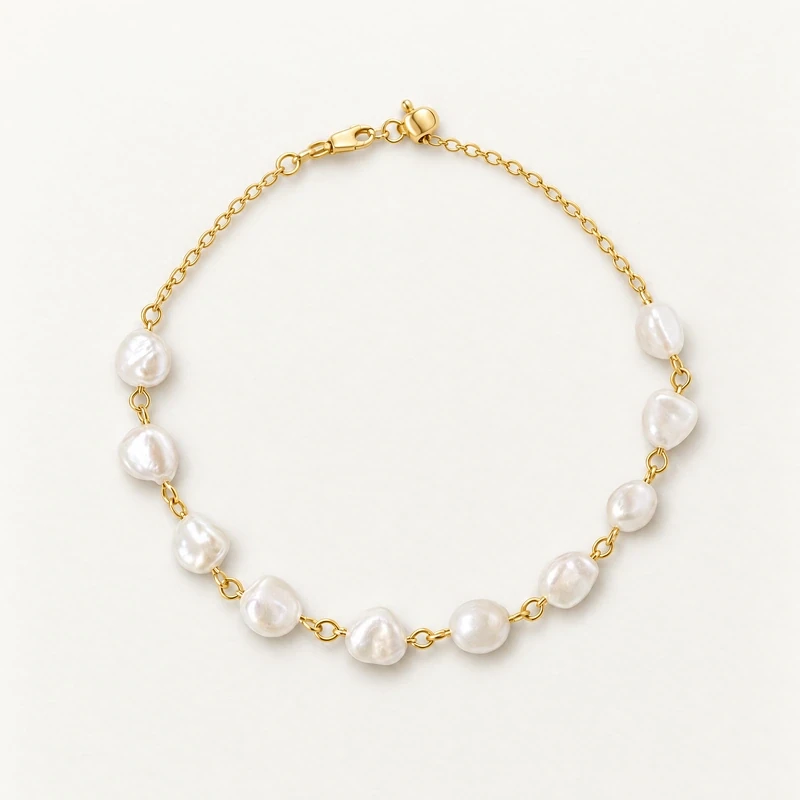
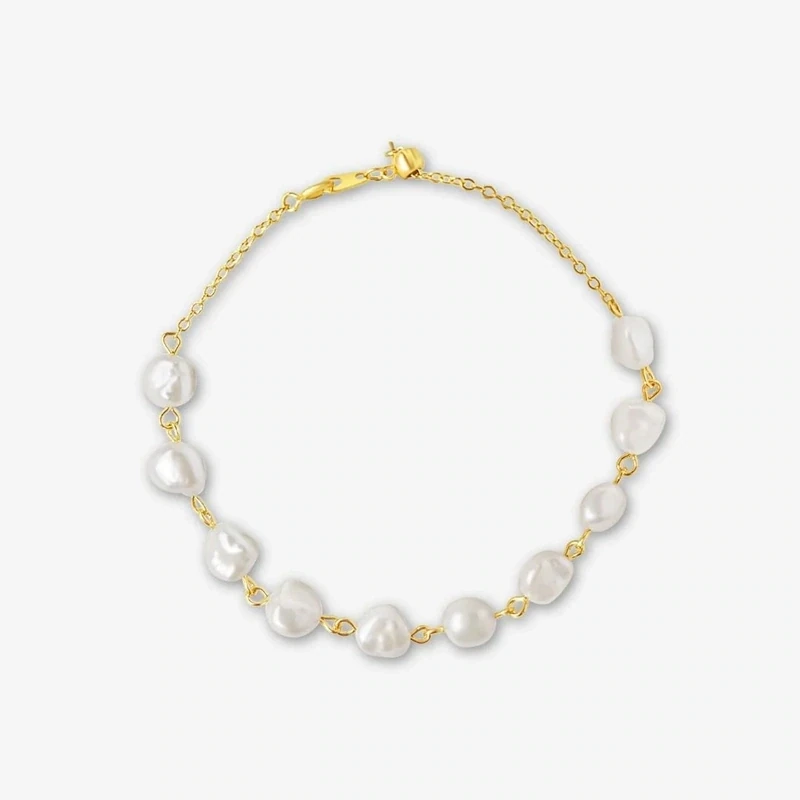
A collection review is more useful when it considers how each design serves a different customer preference. The Riley Keshi Pearl Bracelet is described as a bracelet with ten freshwater baroque Keshi pearls, approximately 6–8 mm, on an adjustable chain about 20 cm long. The listed chain options are 14k gold-filled in yellow gold or 925 sterling silver. Record these options separately and retain the stated measurements when answering questions.
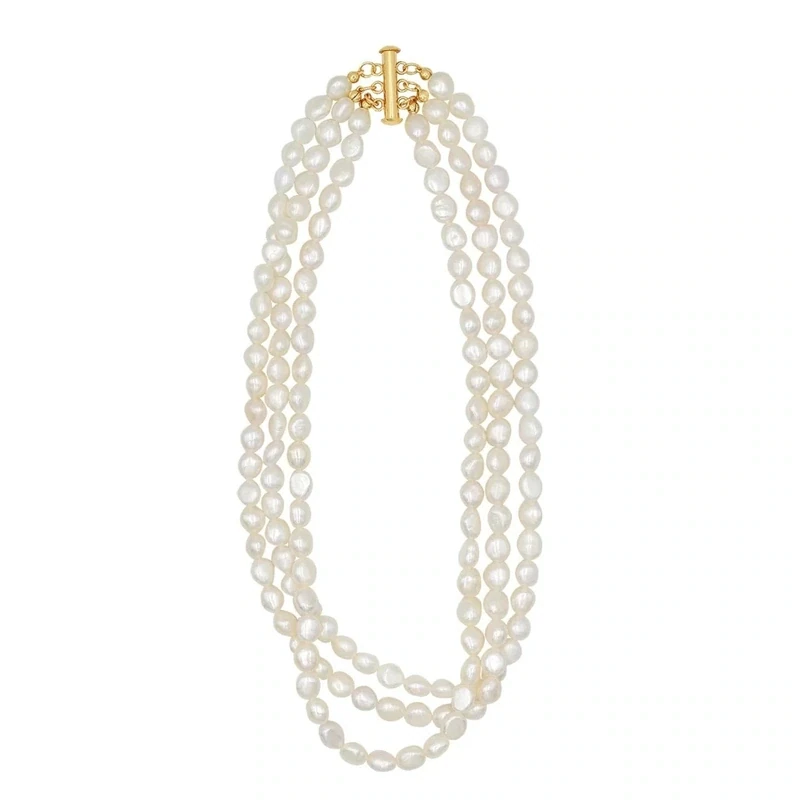
Compare that profile with the Bella & Demelza Baroque Pearl Set, which pairs a choker with drop earrings. Its listed choker length is approximately 45 cm, its pearls approximately 20–28 mm, and its earrings approximately 3.5 cm in drop; the material is listed as baroque pearls and 14k gold vermeil. The products offer different formats, scale and coordination. Reviewing them side by side can reveal which distinctions customers notice, without assuming one format is inherently more appealing.
Ask focused questions about fit and wear
Customer comments become actionable when they are recorded in specific terms. Ask whether a bracelet length felt suitable, whether the adjustment range was clear, or whether a necklace sat as expected. For earrings, invite feedback about the listed drop and how that proportion worked with the customer’s preferred styling. Keep questions neutral: the aim is to learn what the person experienced, not to lead them toward a positive response.
Separate direct feedback from staff impressions, and note the date, design and option involved. Do not infer fit preferences from a customer’s choice alone. One person selecting a shorter-looking necklace does not establish a general preference. Where measurements are listed, make them easy to consult and encourage customers to compare them with a piece they already find comfortable. When a dimension is approximate, preserve that qualification rather than presenting it as an exact fit promise.
Keep material and option records distinct
Use the product’s listed wording in stock notes, merchandising records and customer conversations. Sterling silver 925 means 92.5 percent silver. Gold-filled, gold-plated, vermeil and solid gold are distinct descriptions, not alternate labels for a gold-colored appearance. Vermeil has a sterling silver base; gold-plated sterling silver identifies a plated finish over sterling silver. Never extend one option’s material description to another option or component.
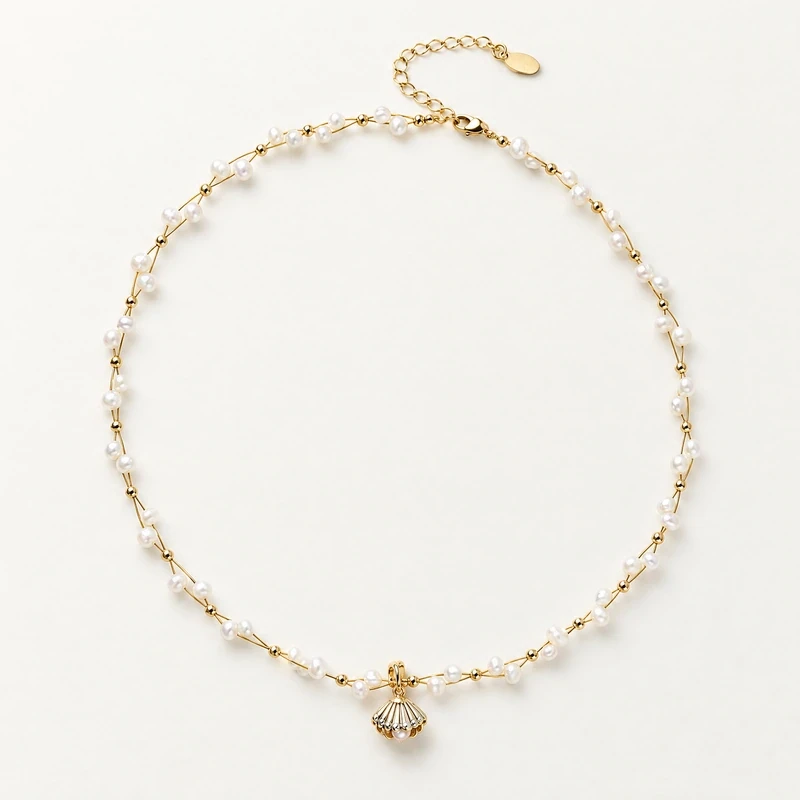
For example, the Riley bracelet’s chain choices are listed as 14k gold-filled or 925 sterling silver. The Bella & Demelza set is listed as 14k gold vermeil. The JUDITH necklace is described with a 14K gold-plated sterling silver clasp, alongside malachite beads and a baroque freshwater pearl. Keep these material details attached to the correct design. A concise internal option matrix can help staff answer consistently; see the related retail and wholesale information for a separate overview of the channel, without treating it as a promise of standing terms.
Track care feedback without overstating it
Ask whether customers understood how to care for their pearl jewelry and whether any instructions were unclear. Record the question or concern as stated; do not turn an individual experience into a product guarantee or a claim about durability. Pearls are soft, and care advice should be conservative, particularly for designs that combine pearls with other materials or components.
GIA advises avoiding ultrasonic and steam cleaners, acids, chemicals, perfume and excessive heat for pearls. Wiping with a soft, clean cloth after wear is a practical routine; occasional warm, soapy water may be appropriate, with strung jewelry allowed to dry completely. For mixed-material pieces, a cautious approach is sensible. Review GIA’s pearl care guidance and keep staff instructions aligned with it. If customers raise recurring questions, improve the clarity of care information rather than promising that a piece is waterproof, tarnish-free or suitable for every wearer.
Review pearl descriptions and variation notes
Check that sales notes accurately distinguish pearl category, shape and visible variation. Cultured pearls are real pearls formed with human intervention and care; natural pearls form without human intervention. Baroque describes an irregular shape, not a pearl species and not proof of uncultured origin. Freshwater is a separate pearl category. These distinctions matter when staff summarize a product or compare designs.
The Riley bracelet’s description identifies freshwater baroque Keshi pearls and notes that pearls may vary in shape and have imperfections, so each bracelet differs in appearance. Use that product-specific language rather than extending a claim to all baroque or Keshi pearls. For the JUDITH necklace, retain the listed freshwater category and the stated 15–20 mm pearl measurement. GIA’s pearl description guidance can help staff use category and shape terms carefully. Keep variation notes factual and make no promise that two individual pieces will look identical.
Turn the review into a documented decision
Before reordering, write down what the review supports and what remains uncertain. A useful record might include the stock count date, quantities by option, customer fit comments, care questions, and any corrections needed to product information. Then state the decision plainly: reorder a particular option, hold off while gathering more feedback, or review the range again after a defined period. This is a working choice based on your own records, not a claim about guaranteed demand.
For a design with multiple material choices, specify the option under consideration rather than noting only the style name. Confirm that measurements, component descriptions and variation notes are present in the records staff use. If feedback is limited or mixed, say so and avoid treating a handful of conversations as conclusive. A concise, dated review gives the next decision a sound comparison point and helps keep customer-facing explanations consistent.
Set a practical follow-up routine
Choose a repeatable review interval that fits your own inventory process, then use the same core questions each time: What is physically on hand? Which options have customers asked about? What fit comments have been specific enough to act on? Which care questions recur? Are product descriptions and material distinctions being communicated accurately? A consistent routine makes changes easier to notice without inventing a universal reorder formula.
Close each review by assigning a next step, such as verifying a count, refreshing staff notes or revisiting a particular option at the next scheduled check. Keep customer feedback separate from conclusions and preserve the source of each record. With accurate counts, careful language and a clear follow-up date, a retailer can make a more informed pearl collection decision while respecting the variation and material distinctions that make each piece specific.