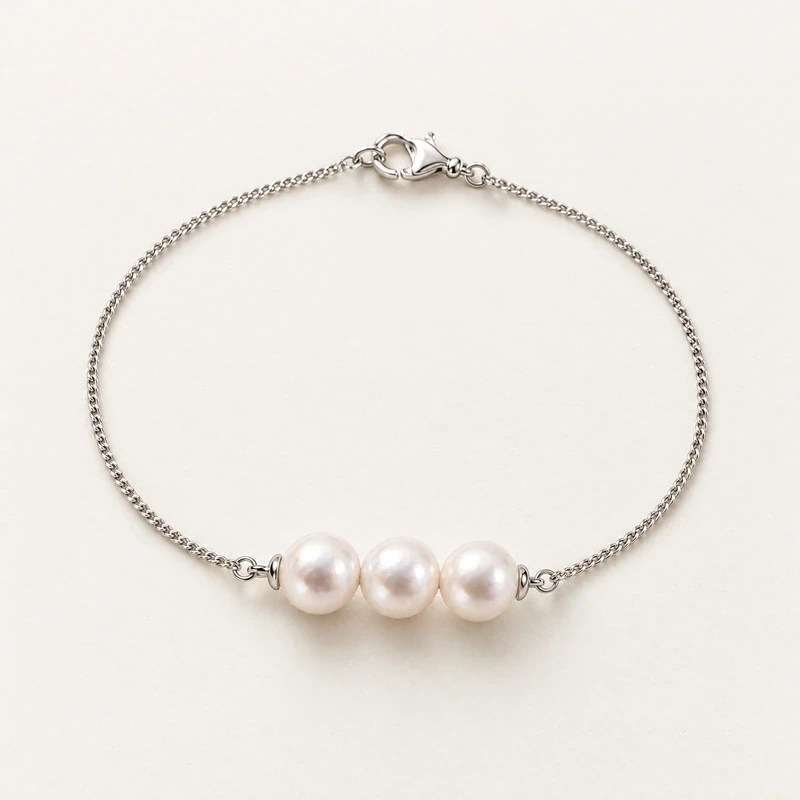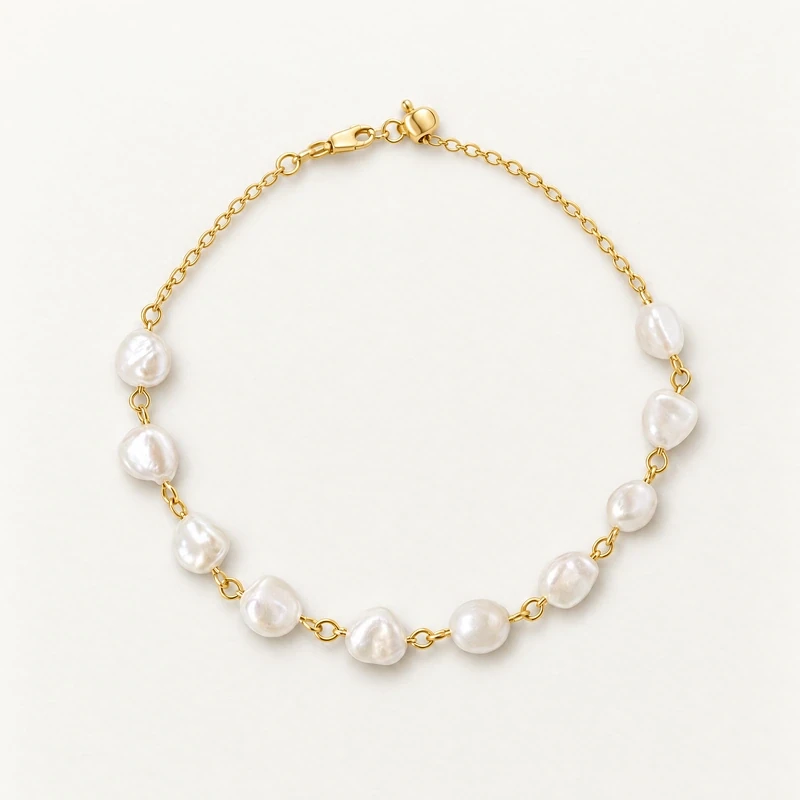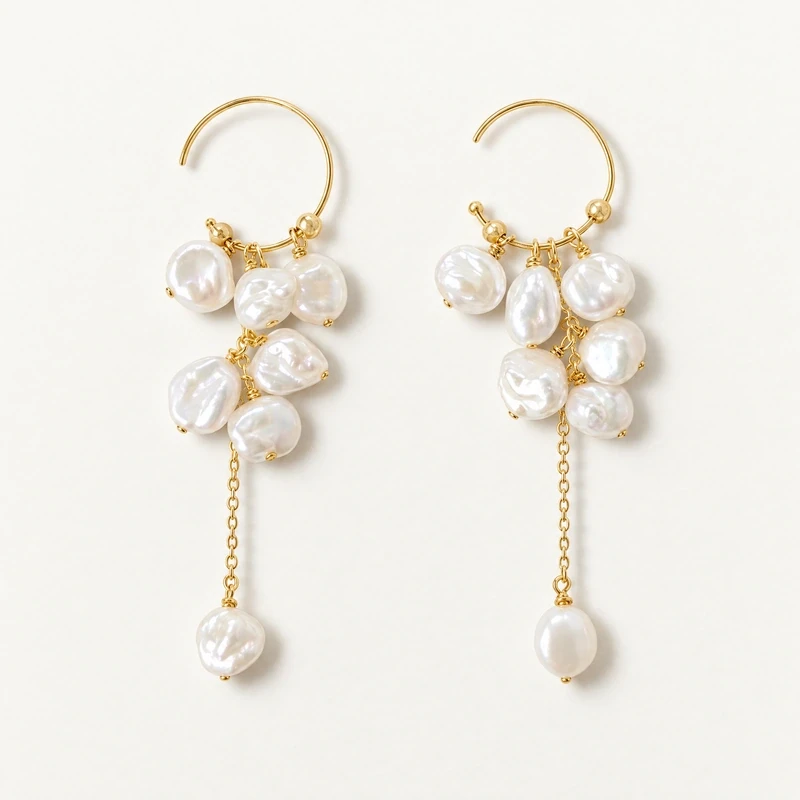
Pearls rarely look perfectly interchangeable, and a product image cannot show every piece that may arrive in an order. For retailers, the practical challenge is to explain what variation is already disclosed, gather enough visual information to make a buying decision, and ask focused questions when an important detail remains unclear. A clear process supports sound expectations without promising that every pearl will match a sample exactly.
Start by separating appearance from specification. An irregular outline may be an expected feature of a baroque pearl, while uncertainty about the listed material, dimensions, color description, or available options may call for clarification. The product description is the starting point, not a substitute for an agreed understanding of what an order represents. This distinction is especially useful when comparing a sample with a future assortment or preparing customer-facing language.
Define what “variation” means before ordering
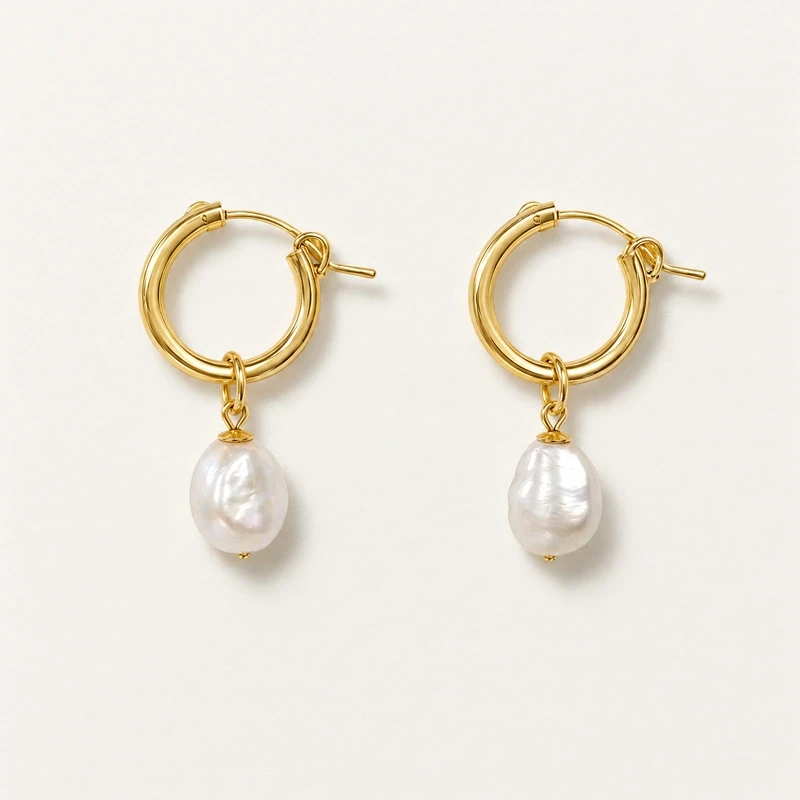
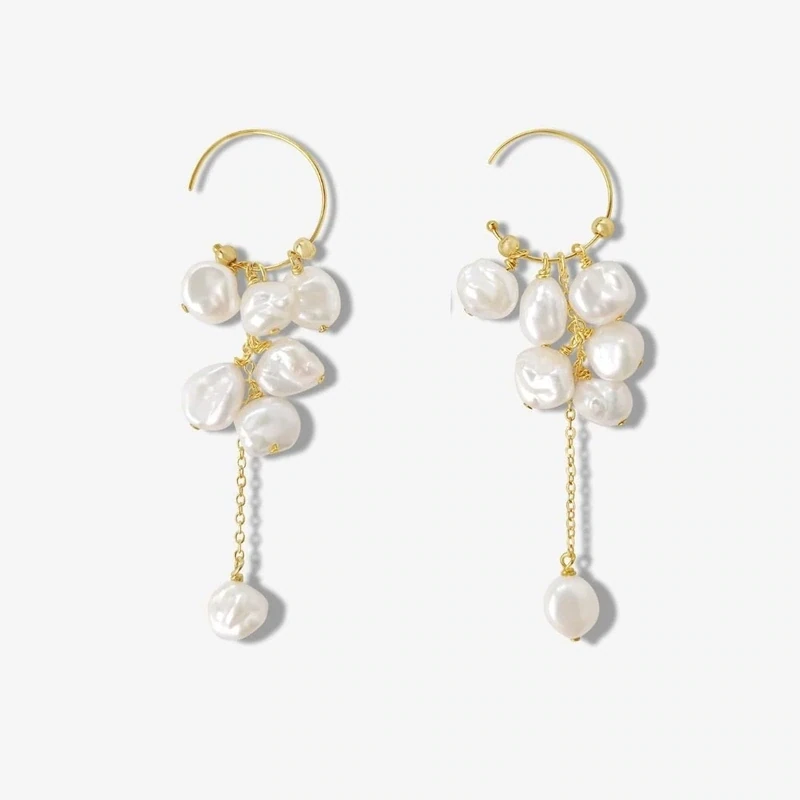
Variation is not one single characteristic. It can refer to outline, surface appearance, size, color, or the overall impression created by a particular pearl. A buyer should identify which of these qualities matters most to the intended assortment and confirm which ones the product description says may differ. For example, the Emery Baroque Pearl Earrings description states that the freshwater Keshi baroque pearls naturally vary in shape and may have imperfections, and that each pair will differ from images and other pairs. That is a more useful expectation than treating the photograph as a precise template.
Use precise language in internal notes. “Shape may vary” does not automatically answer a question about the listed length or metal option. “Distinctive surface characteristics” does not establish a particular grading standard. The GIA explains that baroque describes an irregular shape, not a pearl species or proof of natural, uncultured origin. Cultured pearls are real pearls and form with human intervention and care. Keeping shape, origin, material, and measurements distinct helps buyers avoid reading more into a term than it says.
Read the description as a set of separate commitments
Before requesting more photographs, extract the specifics already given: named materials, selectable options, measurements, and stated variation. For the Emery earrings, the listed length is approximately 6.5 cm, with a choice between a yellow gold-filled option and a 925 sterling silver option. The metal choices are not interchangeable labels: gold-filled and sterling silver describe different materials. A buyer should preserve that distinction in purchase notes and customer-facing copy rather than shortening both to “gold or silver” if that would obscure what is listed.
Compare details across items rather than assuming one style describes another. The Gracie Baroque Pearl Earrings are listed at approximately 5 cm long, including the pearl, with pearls approximately 8–10 mm. Their description notes that shape and appearance may vary from images. These measurements are useful reference points, but do not imply that each pearl will share the same profile. The ALANA Purple Baroque Pearl Bangle has its own listed pearl-size range and adjustable-diameter range; those specifications should be considered separately from its stated shape variation.
Build a receiving-photo request around decisions
A receiving-photo request should answer a real buying question. Ask for views that help you assess the feature you need to understand, such as a clear overall view of the piece or a closer view of the pearl’s outline and surface. If the decision concerns how pairs differ, request views of multiple pairs together where practical. If you are reviewing a bangle with a large pearl, a view that gives context for the pearl against the full piece may be more useful than a close crop alone. Keep requests focused so that the resulting images can inform a decision rather than simply add volume.
State what the photographs are meant to represent. Ask whether they show a sample, a particular piece, or examples of the range you might receive; do not assume that a sample image represents every unit. If an exact piece is not being selected, make that distinction explicit in your notes. Images can help establish expectations, but they do not independently verify every material or specification. For listed measurements or construction details that matter to the order, ask a direct written question instead of trying to infer an answer from scale or perspective in a photograph.
Use a sample as a reference, not a hidden standard
A sample can make a product easier to understand, especially when a retailer wants to see the scale and character of an irregular pearl in person. Before relying on one, clarify what it is intended to represent: the design, the approximate appearance, or a particular piece. If the product description says each pair differs from images and other pairs, a single pair cannot reasonably communicate every possible variation. Treat the sample as one example within the stated description unless a more specific agreement is made.
Record the distinction between approved design features and individual appearance. A buyer might be comfortable with variation in pearl outline but need more information about whether the listed length includes the pearl, as it does for Gracie. Another retailer may want to understand the stated pearl-size range for the ALANA bangle before deciding whether the assortment suits a display. Those are separate questions. Do not turn a visual preference into an unstated inspection rule or imply that the sample establishes a universal quality threshold.
Separate disclosed variation from questions worth asking
When a description already says that pearl shapes or appearances may vary, a different outline from the image is not, by itself, evidence that the product contradicts the description. Likewise, “baroque” signals an irregular shape; it does not establish the pearl’s origin or tell a retailer that all surfaces will look alike. The GIA distinguishes natural pearls, which form without human intervention, from cultured pearls, which grow with human intervention and care. Freshwater is a pearl category, while baroque refers to shape. These terms answer different questions and should not be collapsed into a single assumption.
Clarification is appropriate when a material, option, measurement, or other stated detail is ambiguous or important to the buying decision. Ask which metal option applies to a particular selection, what a listed measurement includes, or whether a photograph is illustrative or shows the specific piece under discussion. For example, the ALANA description lists 14K gold on brass, not solid gold or gold-filled construction. If the distinction matters to your retail presentation, use the listed wording and seek clarification rather than assigning a different metal category. A useful question resolves an information gap; it does not invent a standard that was never stated.
Document expectations in clear, practical language
Keep a concise record of the product, selected option, listed measurements, and variation language reviewed before ordering. Add any questions and their answers, along with a note about whether a photo shows a sample or a specific item. This gives staff a consistent reference when receiving or describing the assortment. It also helps separate facts from preferences: “baroque pearls may differ from images” is a description-based expectation, while “we prefer a more elongated outline” is a retailer preference unless it has been expressly agreed as a selection criterion.
For customer-facing copy, explain variation without making a promise about the exact piece. Wording such as “Pearl shape and appearance may vary from the product images” is appropriate when it reflects the product description. Avoid claiming that every piece will be unique in a particular way, that imperfections are absent, or that a photo predicts the precise item a customer will receive. The earrings collection can help a retail team review related styles, but each product’s own materials, measurements, and variation notes should guide its description.
Turn the review into a repeatable buying decision
A useful process can remain simple: read the product description, mark the traits that are specified, identify which appearance differences are disclosed, and list unresolved questions. Request receiving or sample photographs only where they can help answer those questions. Then decide whether the stated range and uncertainty fit the assortment you want to carry. This sequence keeps a visual preference from being mistaken for a material fact and avoids treating one sample as a guarantee of uniform appearance.
Before confirming an order, make sure the internal record uses the exact listed material and option language, preserves any approximate measurements, and states clearly whether a sample is illustrative or individually selected. If a critical point is still uncertain, ask about it directly rather than filling the gap with an assumption. That final check gives retail staff a practical basis for receiving and describing pearl jewelry while respecting the individual variation that the product description already discloses.