A wholesale jewelry inquiry is most useful when it gives the seller enough detail to respond accurately, while leaving room to clarify terms before either side treats the request as an order. A concise email can identify the pieces you are considering, specify options and quantities, describe your retail business, and ask what information is needed next. It should not assume that an online listing establishes wholesale pricing, availability, lead time, payment terms, or shipping arrangements.
Think of the request as a structured conversation rather than a checkout form. Product names and direct links reduce ambiguity; separate option and quantity fields help prevent mix-ups; and a short set of practical questions makes it easier to assess whether the assortment works for your store. The checklist below applies these habits to specific pearl jewelry examples and offers a reusable way to prepare an inquiry without implying that a request is a confirmed purchase.
Start with a clear, nonbinding subject line
Use a subject line that signals both the purpose and the status of your message. For example: “Wholesale inquiry: pearl jewelry assortment for [store name].” If you are asking about a small selection, name the category or include one product identifier. Avoid wording such as “Order confirmed” when you are only requesting information. A subject line that accurately describes an inquiry helps the recipient route it and frames the exchange as a request for details.
Open with your name, store name, and a sentence explaining what you are evaluating. Then state plainly that you would like to learn whether wholesale purchasing is available and what conditions apply. If the seller has a specific inquiry route, follow the instructions on its wholesale information page. Do not presume that a public product page includes a wholesale order process or that sending an email reserves pieces. Ask what steps, if any, are required to move from an initial inquiry to a formal order.
Identify every product by name and URL
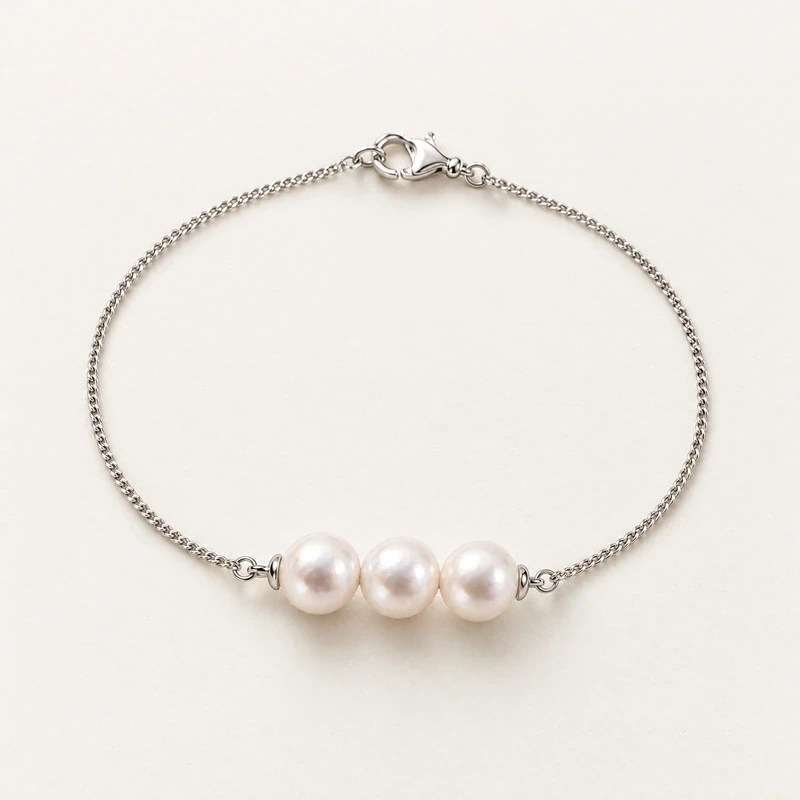
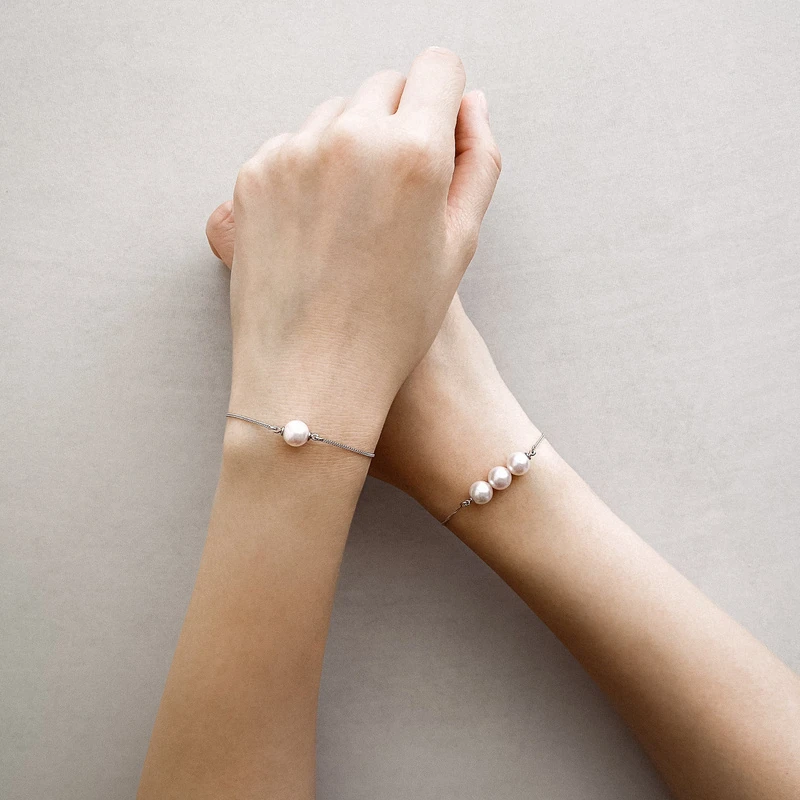
List each item separately using its exact product name and a direct link. This is more reliable than descriptions such as “the pearl bracelet” or “the large studs,” particularly when an assortment includes several pearl types or styles. For example, identify the WYNETTE Bracelet with 3 Akoya Pearls by name and link. Naming the item makes it easier to distinguish it from other bracelets and gives the seller a specific reference for the question.
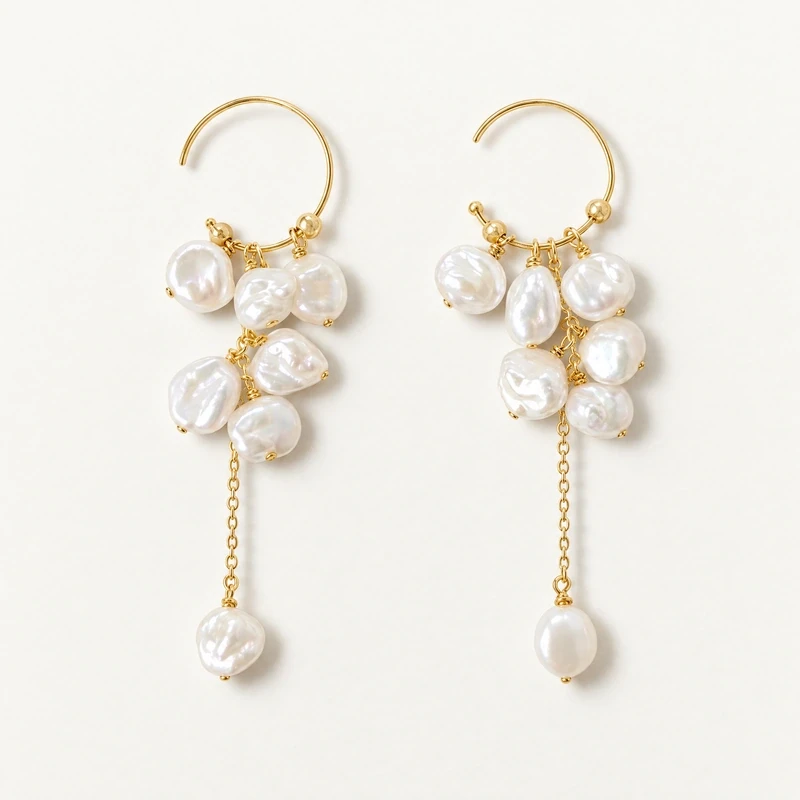
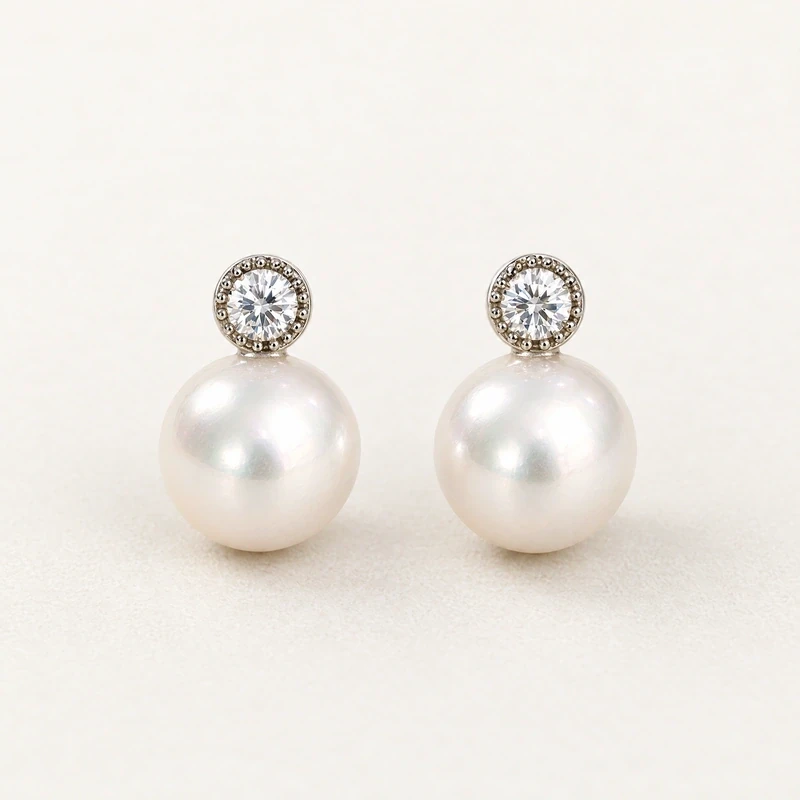
Repeat this format for each requested style, even if the products belong to the same category. The AURORA Flower and Pearl Earrings and Oval Freshwater Pearl Stud Earrings are both earrings, but they have different materials, silhouettes, and choices. Direct links are useful references, not proof that a style is currently available or eligible for wholesale. If a link or product name appears to have changed, ask the seller to confirm the matching item before discussing quantities.
Write out options instead of assuming them
Some products offer explicit selections, and those selections should appear next to the relevant item in your message. For WYNETTE, the listed bracelet lengths are 155 mm, 165 mm, or 175 mm. If you want to ask about more than one length, give a quantity for each rather than writing “mixed sizes.” The product description also states an approximate total length of 155–177 mm; treat the listed options as the choices to confirm, not as a basis for inventing additional sizing.
For AURORA, specify post or clip-on earrings if you have a preference, and ask whether the requested option is available for the quantities under consideration. For the oval freshwater pearl studs, distinguish between the listed 18K gold vermeil and sterling silver options. Vermeil has a sterling silver base; it is not the same material description as solid gold or gold-filled jewelry. Keep each option attached to its exact item, and invite the seller to confirm that the selected version can be provided.
Give quantities in a simple item-by-item format
State the number of pairs or pieces requested for every product and option. For example, a request might say: “WYNETTE, 155 mm: 4 bracelets; WYNETTE, 165 mm: 4 bracelets.” For earrings, specify pairs, and separate post and clip-on choices if applicable. This level of detail makes it easier for the seller to answer questions about the exact assortment instead of interpreting a single combined number.
Label quantities as proposed or requested, not as confirmed allocations. A product listing does not establish wholesale minimums, available stock, or whether a particular quantity can be provided. Ask whether the quantities are acceptable and whether any minimums or assortment requirements apply. If you are flexible, say so in a bounded way—for example, identify which sizes or styles could be substituted and which are essential. Do not invite substitutions without stating how you want them reviewed first.
Introduce your store with relevant details
Include enough business context to help the seller understand who is making the inquiry. Common useful details include the store’s trading name, location, website or storefront address if applicable, the type of retail business, and the name and contact information of the person handling purchasing. Keep this factual and concise. Do not send sensitive financial, identity, or customer information unless the seller explains why it is needed and how to provide it appropriately.
If your store has a defined customer or merchandise focus, summarize it in one sentence and explain why the listed styles interest you. For instance, you might be evaluating a mix of pearl bracelets and earrings for an existing accessories assortment. Avoid claims about your purchasing capacity or future volume unless you can substantiate them. These details give the seller useful context, but they do not guarantee approval, pricing, or eligibility. Ask whether further business documentation is required before sharing anything beyond ordinary store contact details.
Ask directly about pricing and commercial terms
Request a written explanation of wholesale pricing for each listed product and option. Ask whether quoted prices are per piece or per pair where that distinction matters, what currency applies, and whether taxes or other charges are handled separately. Do not infer a wholesale price from a retail product page, or assume that a quantity request automatically changes the price. If the seller uses a price list or another process, ask how to receive and interpret it.
Ask about any minimum order, assortment rules, payment methods, payment timing, and other terms that may apply. These are questions, not presumed conditions: the seller must state what its actual terms are. Request clarity on how long a quotation remains valid, if relevant, and whether any amount is due before an order is accepted. Do not treat an estimate, preliminary reply, or product inquiry as a binding commitment. Review the written terms and resolve open questions before deciding whether to proceed.
Confirm timing, shipping, and the next step
Ask what lead time might apply to the requested assortment and whether timing differs by product or selected option. Phrase the question without assuming that an item is in stock or that a particular delivery date can be met. If you have a target date for your store, share it as a planning need and ask whether it is realistic. Request clarification on shipping method, destination coverage, shipping charges, tracking, and any other applicable delivery arrangements. Do not assume these details from the product pages.
Close by asking what information the seller needs to provide a formal quotation or confirm the next step. You might request an itemized response showing product, option, proposed quantity, price, applicable terms, estimated timing, and shipping details. Before accepting anything, compare that response with your original request and ask about discrepancies. A clean, nonbinding inquiry protects clarity on both sides: send exact item references and business details, request written answers, then make a separate, deliberate decision about whether to place an order.